Translation Studies Program Holds National Seminar on the Role of Systemic Functional Linguistics (SFL) in Understanding Meaning Equivalence in Translation
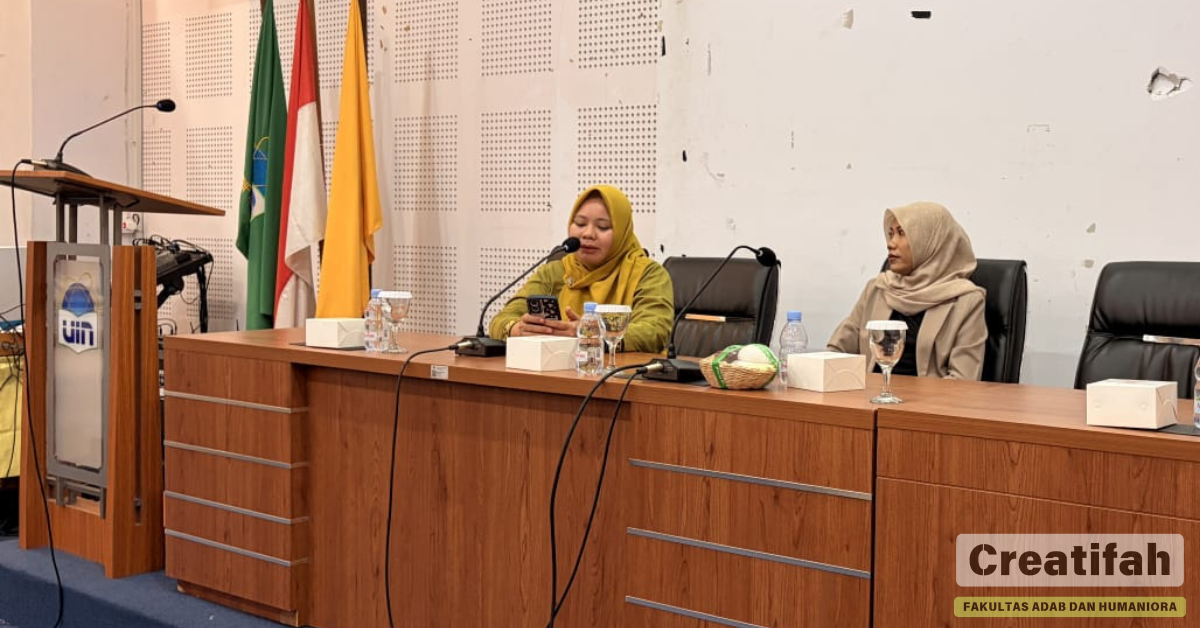
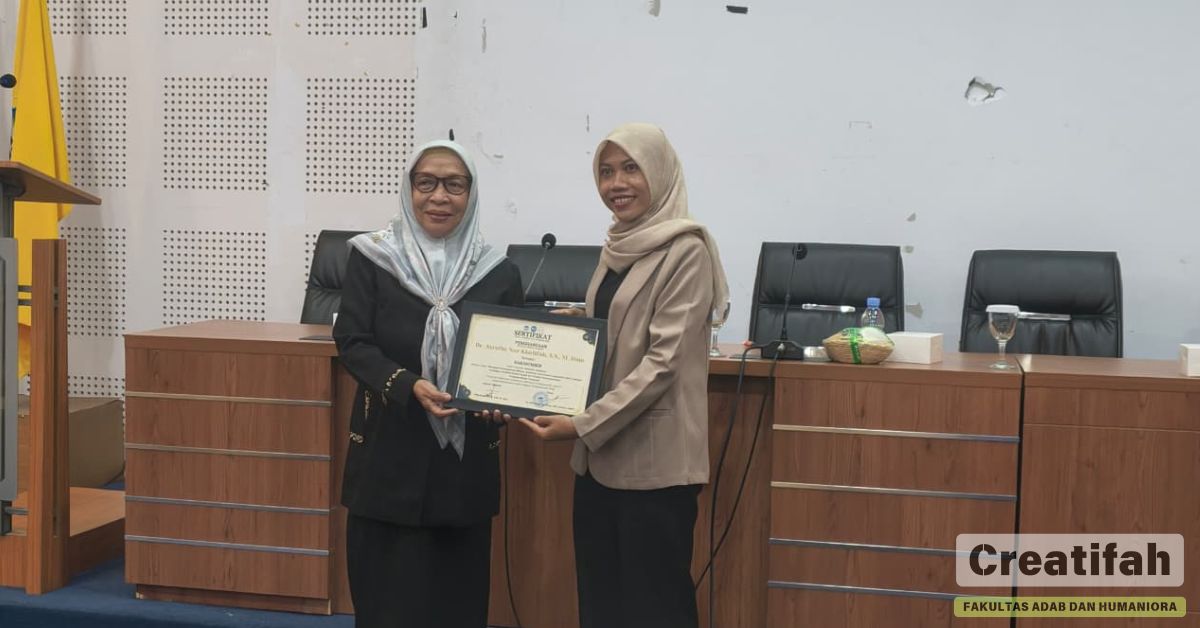
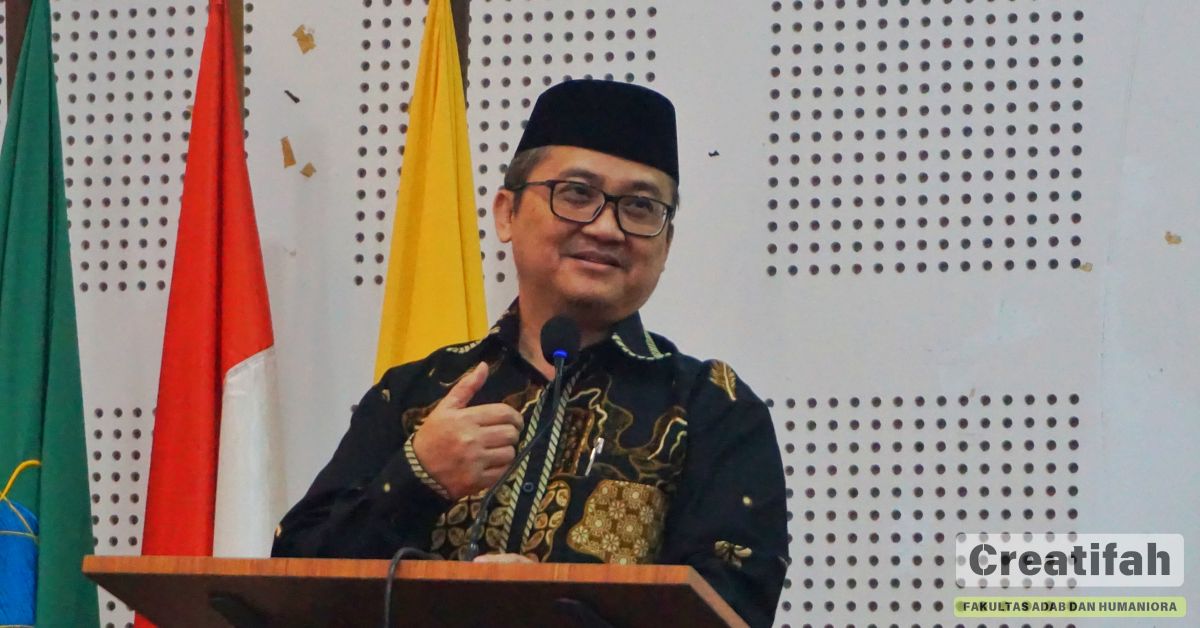
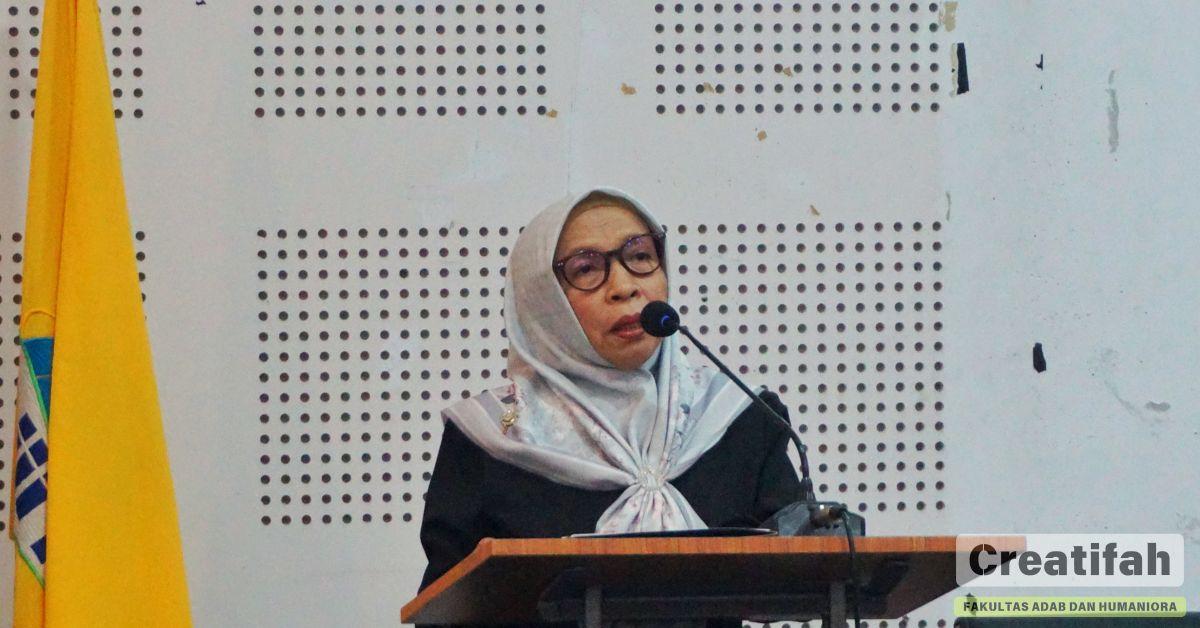
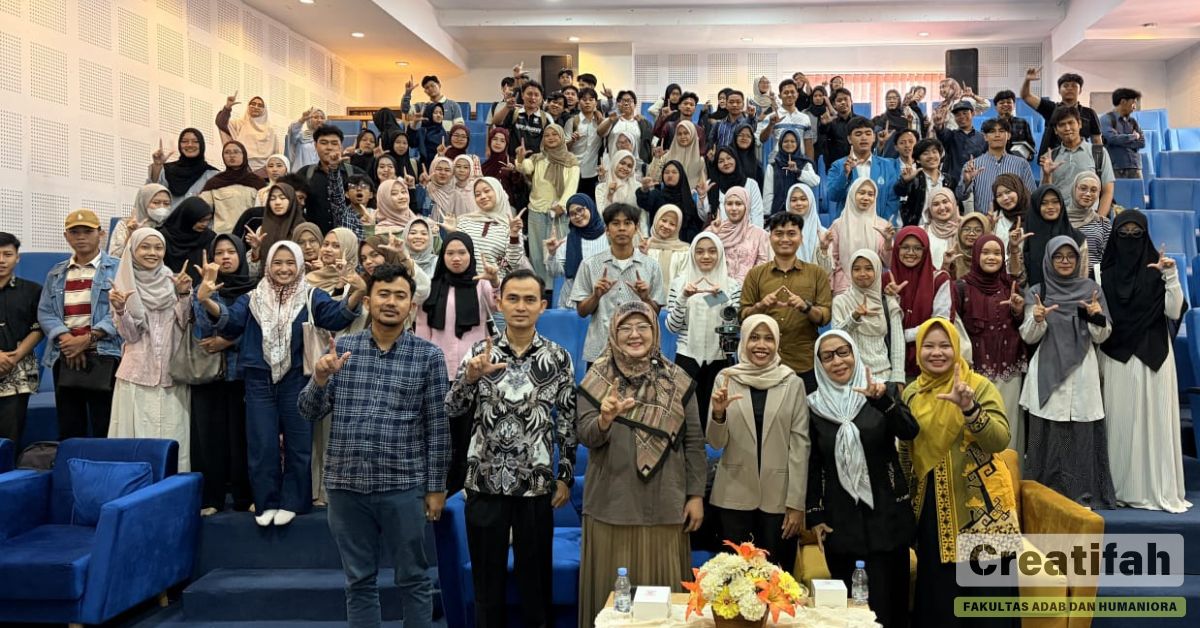
FAH Online News – The Translation Studies Program of the Faculty of Adab and Humanities at UIN Syarif Hidayatullah Jakarta held a National Seminar entitled “Assessing Meaning Equivalence: Systemic Functional Linguistics as a Framework for Translation Analysis and Practice” on Wednesday (September 16, 2026). The seminar featured Dr. Asrofin Nur Kholifah, S.S., M.Hum., a lecturer at the Department of English, Faculty of Cultural Sciences, Universitas Jenderal Soedirman, as the speaker. The event was also attended by the Dean of the Faculty of Adab and Humanities at UIN Jakarta, Dr. Ade Abdul Hak, M.Hum., and the Head of the Translation Studies Program, Prof. Dr. Darsita Suparno, S.S., M.Hum., C.IQnR., along with the academic community of the Translation Studies Program.
In his opening remarks, Dr. Ade emphasized the importance of mastering language, theory, and methodology before students proceed to the translation analysis stage. These three elements serve as a foundation for ensuring that research produces accurate interpretations of data while also supporting the quality of translation outcomes.
The seminar discussed Systemic Functional Linguistics (SFL) as an approach that views language as a meaning-making system. From an SFL perspective, translation is understood as a process of reconstructing meaning from the source language into the target language while taking into account the context in which the language is used. This approach aims to ensure that translation goes beyond the mere transfer of words and instead addresses how messages, social relationships, and cultural contexts are represented in a text.
Dr. Asrofin explained that SFL can be used to examine various linguistic aspects, including ideational, interpersonal, and textual meanings. One of the key ideas emphasized during the seminar was “Being a translation is being contextual,” highlighting that the translation process is always closely connected to the context in which language is used. Therefore, translators need to understand the relationship between language, culture, and communicative situations.
In addition to discussing the fundamental concepts of SFL, the seminar encouraged students to develop more focused translation research. The speaker explained that students do not need to employ the entire range of SFL analytical tools in their research; instead, they can select a particular aspect according to the characteristics of the data being examined. Research should also be grounded in authentic data and carried through to the interpretation stage in order to produce a deeper understanding.
The event continued with a discussion and question-and-answer session addressing the application of SFL to various research objects, ranging from documentary films and news reports to AI-based translation. Through this seminar, students are expected to gain a deeper understanding of the importance of linguistic competence, cultural sensitivity, critical thinking, and creativity in responding to developments in the field of translation.
Written by: Andika Pratama
Documentation: