Tracing the Legacy of Malay Civilization in Malacca, FAH UIN Jakarta Delegation Explores History through World Heritage Sites
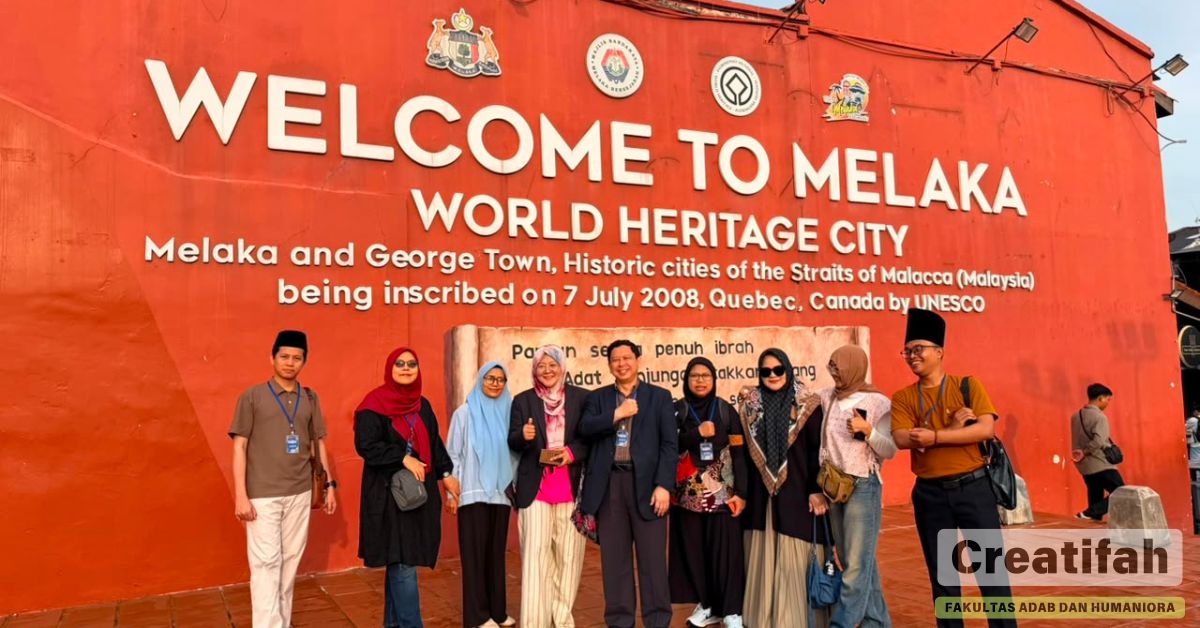
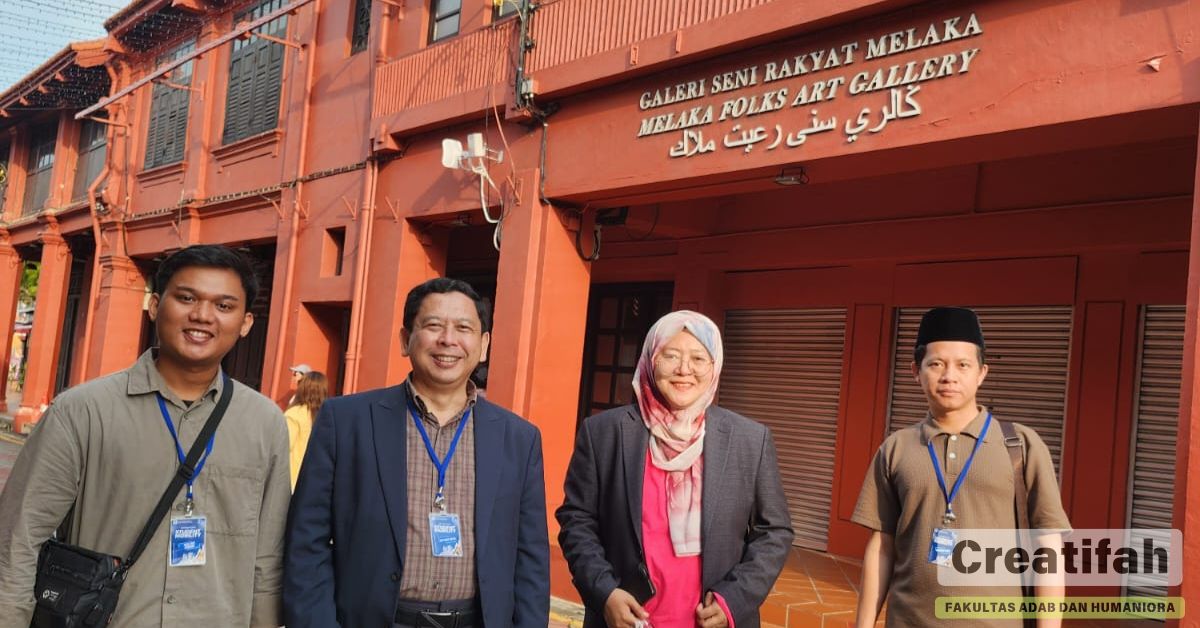
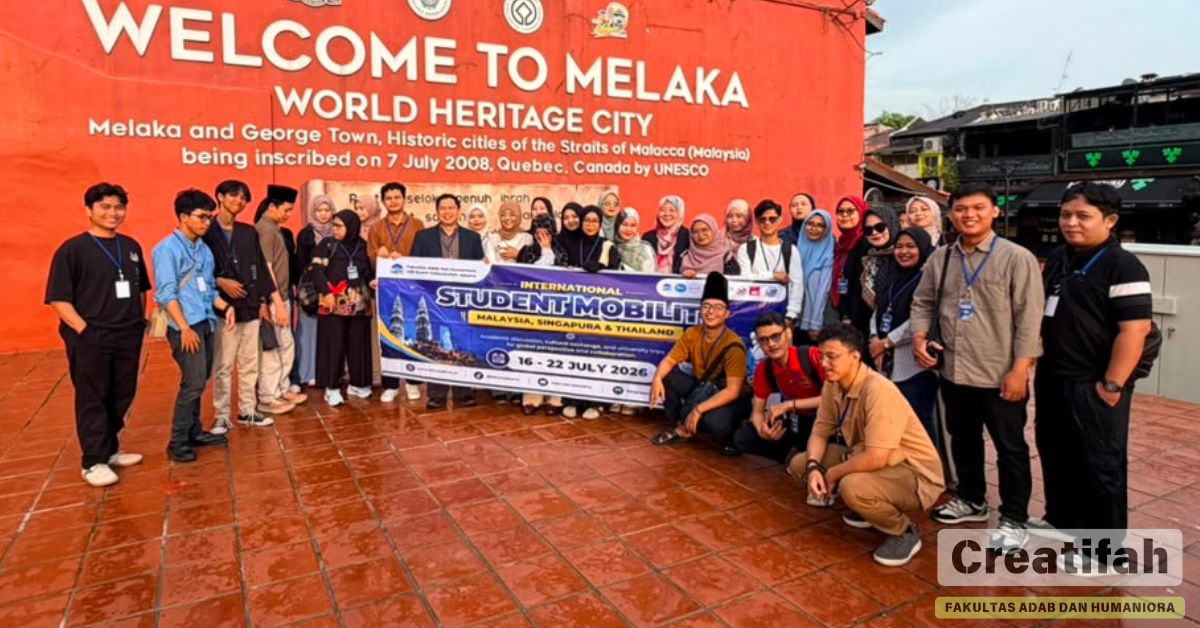
FAH Online News, Malacca, July 18, 2026 – As part of the International Student Mobility (ISM) 2026 program, the delegation of the Faculty of Adab and Humanities (FAH) of UIN Syarif Hidayatullah Jakarta visited the Stadthuys Building (Red House of Malacca), one of the most iconic historical sites in Malacca City. The visit was part of a field-based learning activity that connected the study of history, culture, and Islamic civilization with historical heritage that remains preserved to this day.
Malacca holds a significant position in the history of Southeast Asia. Since the establishment of the Malacca Sultanate in the early 15th century under Parameswara, who later embraced Islam and became known as Sultan Iskandar Shah, the city developed into an international trading port that connected merchants from Arabia, Persia, India, China, and the Nusantara region. According to Anthony Reid in Southeast Asia in the Age of Commerce, as well as Barbara Watson Andaya and Leonard Y. Andaya in A History of Malaysia, Malacca’s progress was supported not only by trade activities but also by its role as a center for the spread of Islam, the development of the Malay language as a lingua franca, and the emergence of intellectual and cultural traditions that influenced Southeast Asia, including the Indonesian archipelago.
The Red House, or Stadthuys, was built by the Dutch colonial government around 1650 after the VOC successfully seized Malacca from the Portuguese in 1641. The building served as the center of Dutch colonial administration and remains one of the oldest surviving Dutch colonial architectural landmarks in Asia. Together with the historic area of Malacca, the site was designated as a UNESCO World Heritage Site in 2008 for representing more than five centuries of cultural interaction, trade, and colonial history that shaped the multicultural identity of Southeast Asia.
For FAH UIN Jakarta students, this visit provided an opportunity to directly observe how various historical layers—from the Malacca Sultanate, Portuguese, Dutch, and British colonial periods, to the development of modern Malaysia—come together within a single historical space. The experience enriched their understanding of the dynamics of Malay-Islamic civilization, which they have studied academically, while also highlighting the importance of preserving historical sites as sources of learning across generations.
The International Student Mobility 2026 program strengthens students’ ability to critically interpret history through direct experiences at historical sites. This type of experiential learning is expected to nurture a generation of scholars with regional perspectives, global awareness, and a strong foundation in the historical and cultural heritage of the Nusantara region.
Writer: Fitriyani
Documentation: