
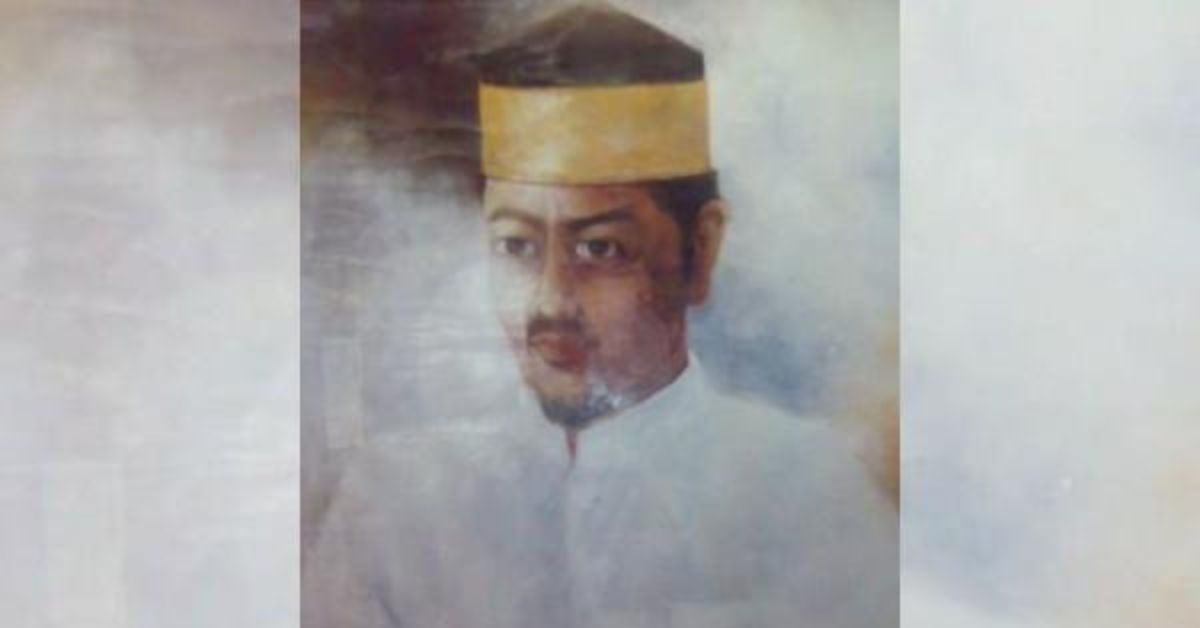
The Political Face Behind “Psychosocial” Conversion: Uncovering Sultan Alauddin’s Motives in Islamizing Bone, Soppeng, and Wajo (1605–1612)
By: Rahmat Faqih Atsani
Student of the Islamic History and Civilization Study Program, Faculty of Adab and Humanities, UIN Syarif Hidayatullah Jakarta
The Islamization of South Sulawesi in the 17th century is commonly narrated as a peaceful process driven by psychosocial factors: the hope for a new identity, connection with the international Muslim community, and the desire to break away from the stagnation of old social structures. However, the case of the Islamization of the three Bugis kingdoms, Bone, Soppeng, and Wajo, by the Kingdom of Gowa-Tallo under Sultan Alauddin during the period of 1605 to 1612 shows a different face: conquest through war, known as Musu Selleng or the war of Islamization.
This paper focuses on one main point, namely the motives behind this forced conversion. It uses the framework of three causes of Islamization in Nusantara: co-optation with the international world, changes in social structure, and psychosocial impulses, as discussed in Hasbullah’s study (2012) on trade, internationalism, and religious conversion in Nusantara.
The argument proposed in this paper is that political motives, namely the consolidation of Gowa’s hegemony over the Tellumpoccoe Alliance and concerns over VOC expansion and Christian missions in eastern Nusantara, became the dominant factors. Meanwhile, the psychosocial narrative about a new identity as part of the international Muslim community functioned more as an ideological justification for the conquest.
When Theory Confronts Facts on the Ground
The grand narrative of Islamization in Nusantara from the 15th to the 17th century is often presented as a relatively peaceful process. In this narrative, indigenous people, especially traders and ruling elites, accepted Islam for psychosocial reasons: the hope for a new status, a sense of belonging to the international Muslim community, and the desire to escape from old social structures considered oppressive (Hasbullah, 2012: 6–9). Within this framework, religious conversion is understood as a voluntary choice born from society’s inner awareness of changing times.
However, this historiographical ideal of Islamization as a peaceful and voluntary process faces a different reality in the case of the three Bugis kingdoms: Bone, Soppeng, and Wajo. These three kingdoms initially rejected the invitation to embrace Islam from the Kingdom of Gowa-Tallo. They only accepted Islam after being conquered through a series of wars between 1607 and 1611, known as Musu Selleng or “the war of Islamization” (Ensiklopedia Islam, 2022; Washilah, 2022). Soppeng surrendered in 1609, Wajo on May 10, 1610, and Bone, the strongest kingdom among the three, finally surrendered on November 23, 1611 (Ensiklopedia Islam, 2022; Sianipar in Repository IAIN Pare-Pare, n.d.: 79–80).
The mismatch between the theory of conversion as a voluntary psychosocial process and the reality of conversion imposed through war becomes the starting point of this paper. The main question is whether Sultan Alauddin’s motive in Islamizing Tellumpoccoe was truly driven by religious and psychological impulses, as commonly narrated, or whether religion in this case became an instrument for a larger political project of power.
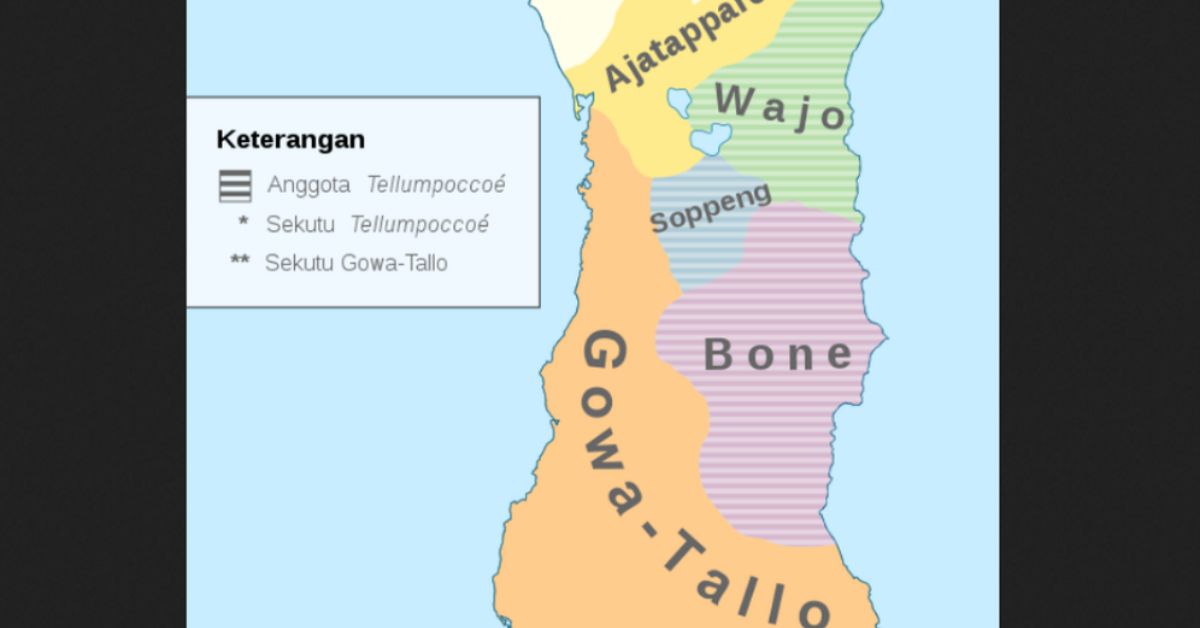
Figure 2. Map of South Sulawesi. Source: Kompas.com
Reading the Event from the Perspective of Political Power
This paper examines the issue of Musu Selleng not from a theological perspective, namely whether the war was valid according to Islamic law, but from the perspective of political history and power, combined with a psychosocial framework. In this context, Islam brought by Gowa-Tallo survived and spread in Tellumpoccoe not merely because of its theological appeal, but because it was supported by political power, as one form of progressive culture in politics and economics that imposed its continuity.
To test this reading, three common frameworks used in the study of Islamization in Nusantara are applied as analytical tools: (1) co-optation with the international world, (2) changes in social structure, and (3) psychosocial factors in the form of hope and renewed spirit (Hasbullah, 2012). These three factors are examined one by one in the case of Gowa-Tallo versus Tellumpoccoe. This analysis relies on literature studies of local historical sources from South Sulawesi, including Lontara Bilang or the royal diary of Gowa-Tallo, as cited in academic studies, the research manuscripts of Syarifuddin (2021) and Sianipar on the Bone-Gowa rivalry, and Hasbullah’s journal article (2012) as the theoretical basis for the psychosocial framework to identify which factor most dominantly explains the events of 1605 to 1612.
Three Layers of Motives Behind Musu Selleng
Co-optation with the international world: restraining the VOC and Christian missions
Sultan Alauddin embraced Islam together with Karaeng Matoaya, the King of Tallo, on September 22, 1605, not long after the Dutch East India Company (VOC) began entering eastern Nusantara to monopolize the spice trade (Ensiklopedia Islam, 2022; muhishaqramli, 2016). One source explicitly states that Gowa “intended to become the leader of Islam in South Sulawesi in order to face the Dutch, who had begun arriving to monopolize trade, and Gowa also intended to prevent the spread of Christianity in South Sulawesi” (muhishaqramli, 2016). This finding is relevant to Hasbullah’s framework (2012: 4–5) regarding the “race” between the doctrinal power of Islam and the capital power of Christianity in competing for followers in Nusantara. Whoever controlled the religious identity of a region would also control its political and economic routes.
Within this framework, the forced Islamization of Tellumpoccoe can be read as a preemptive move by Gowa-Tallo to bring South Sulawesi into the Islamic orbit before European powers, first the Portuguese and later the VOC, succeeded in planting Christian influence there, as happened in Maluku and parts of eastern Indonesia (Hasbullah, 2012: 5). Islamization here was not merely a religious goal, but also a geopolitical strategy to protect regional sovereignty from foreign intervention.
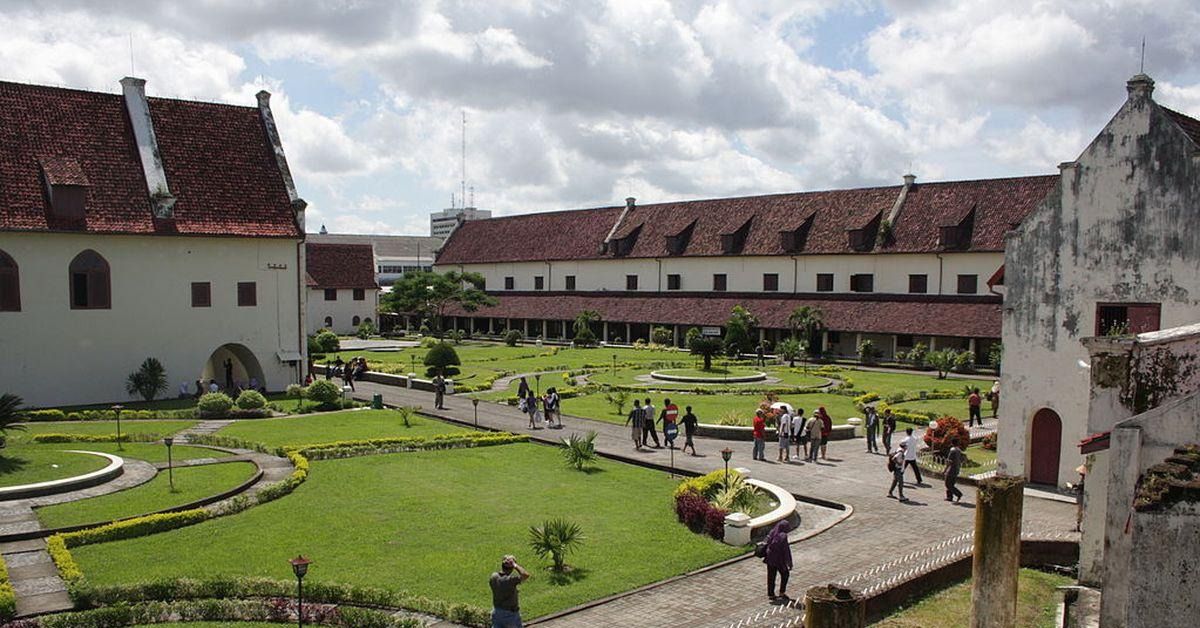
Figure 3. Fort Rotterdam Fortress (Ujung Pandang Fortress), Makassar. Source: Kompas.com
Social Structural Change: Hegemony over the Tellumpoccoe Alliance
Bone, Soppeng, and Wajo had long been bound together in the Tellumpoccoe Alliance, or the Three Peaks. Bone was regarded as the eldest brother, Wajo as the middle brother, and Soppeng as the youngest. This alliance was formed to protect one another from Gowa’s domination (inipasti.com, 2025; Washilah, 2022). Some sources even emphasize that Gowa’s attack on Wajo, for example, “was not because the Kingdom of Wajo refused to embrace Islam, but because the Kingdom of Wajo had joined the Tellumpoccoe alliance” (Repository IAIN Pare-Pare, n.d.). These three kingdoms also suspected that Gowa’s invitation to embrace Islam was “only a political strategy” to expand power, not purely a religious mission (Washilah, 2022).
Other evidence shows how religious issues became intertwined with internal political succession. When the King of Bone, La Tenriruwa, initially agreed to accept Gowa’s invitation to Islam, he was removed from the throne by Ade’ Pitue, the customary council, because the people opposed his decision. Gowa then viewed this removal as a rejection of Islam and used it as a reason to launch military expansion into Bone (muhishaqramli, 2016). This episode shows that the real conflict was not merely a conflict of faith, but a struggle to reshape the old power structure of an autonomous and equal federation into a new structure: the single hegemony of Gowa-Tallo over all of South Sulawesi, with religion as its legitimate binding force.
Psychosocial Factor: The Identity of the Ummah as Justification, Not the Main Cause
In Hasbullah’s framework (2012: 8), becoming Muslim for the people of Nusantara meant gaining a new identity as part of “world citizenry” and the wider international Muslim community. After the conquest, this kind of narrative did appear. After Bone, Soppeng, and Wajo surrendered, the King of Gowa “announced that although Bone had been defeated and had embraced Islam, the people of Bone were freed from fines and war costs. There were no prisoners of war and no confiscation of property” (Repository IAIN Pare-Pare, n.d.: 11). This approach created the impression that conversion brought mercy and new brotherhood. It became a psychological frame that softened the trauma of conquest and encouraged Tellumpoccoe to accept a new identity as part of the Islamic community under Gowa’s authority.
However, this psychosocial impulse appeared after military conquest had taken place, not as the initial cause of the process. The sources examined consistently show the sequence of events: the peaceful invitation was first rejected because it was suspected as a political strategy, then the war of Islamization was launched, and after military victory was achieved, religious and psychological narratives, such as exemption from fines, brotherhood of the ummah, and new identity, were used to reduce trauma and legitimize Gowa’s new authority. Therefore, in this case, the psychosocial factor functioned as an instrument of post-conflict consolidation, not as the root cause of conversion itself. This differs from the general pattern of peaceful Islamization through trade routes described by Hasbullah (2012: 6–7) in other cases in Nusantara.
Correcting the Generalization of Gentle Islamization
Based on the three layers of motives above, this paper takes a position of both revealing and correcting. It reveals that behind the label of Islamization, which is commonly understood as a gentle psychosocial process, the case of Bone, Soppeng, and Wajo was actually dominated by political calculations of power, international co-optation to resist the VOC and Christianity, and the struggle over social structure to establish hegemony over Tellumpoccoe. This paper strengthens the existing framework of the three factors of Islamization, but it also corrects the assumption that the three factors always carry equal weight. In the case of Musu Selleng, the psychosocial dimension was not the cause, but rather the result and legitimizing tool of political conquest that had occurred earlier.
Conclusion
The Islamization of Bone, Soppeng, and Wajo by Sultan Alauddin in 1605 to 1612 shows that religious conversion in the history of Islamic sultanates in Indonesia did not always emerge from voluntary inner awareness. Behind the religious face of Musu Selleng, there were concrete political motives: to restrain VOC expansion and Christian missions in eastern Nusantara, and to transform the autonomous federation of Tellumpoccoe into a hegemonic structure under Gowa-Tallo. The psychosocial dimension, namely the hope for a new identity as part of the international ummah, was still present. However, it is more accurate to understand it as a post-conflict strategy to legitimize new power, not as the original root of conversion itself.
This finding reminds us that every generalization about Islamization in Nusantara as a peaceful process must be re-examined at the level of case studies. As Braudel’s total history reminds us, every element of life has its own rhythm and can only be understood fully when read together with the political, economic, and social elements that surround it (Hasbullah, 2012: 9).
Image Sources
Figure 1. Illustration of Sultan Alauddin, the 14th King of Gowa and the central figure in the Islamization of South Sulawesi in the 17th century. Source: sulsel.idntimes.com
References
Ensiklopedia Islam. (2022). “Alaluddin, Sultan.” https://ensiklopediaislam.id/alaluddin-sultan/
Hasbullah, Moeflich. (2012). “Perdagangan, Internasionalisme dan Konversi Agama: Perspektif Psiko-sosial dalam Islamisasi di Nusantara Abad ke-15–17.” Mimbar, Vol. 29, No. 1.
inipasti.com. (2025). “Kerajaan Gowa-Tallo: Jejak Kejayaan Islam dan Perlawanan Terbesar di Timur Nusantara.”
Kompas.com. (2022). “Sejarah Penyebaran Islam di Sulawesi Selatan.”
muhishaqramli. (2016). “Sejarah: Sultan Alauddin.” http://muhishaqramli.blogspot.com/2016/01/sultan-alauddin.html
Repository IAIN Pare-Pare. (n.d.). “BAB IV Hasil Penelitian: Kronologi Terjadinya Musu Selleng.”
Washilah.com. (2022). “Pasang Surut Hubungan Kerajaan Bone dan Gowa dalam Tinjauan Historis.”