Strengthen Strategy Towards Scopus: FAH Holds Mentorship with Malaysian SME Experts
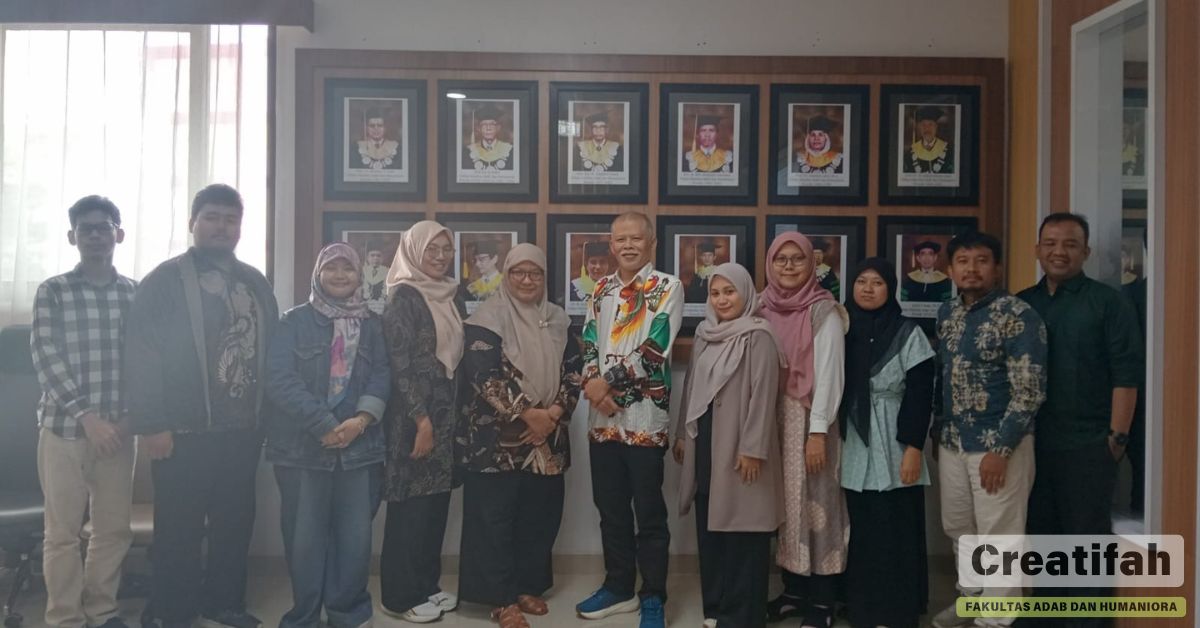
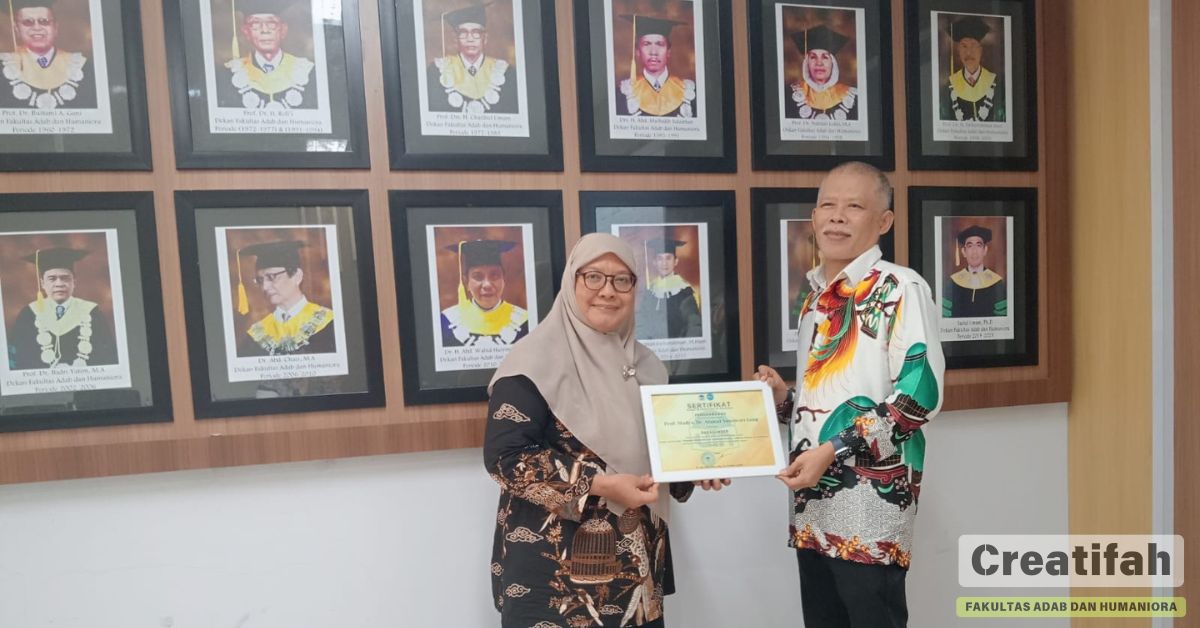
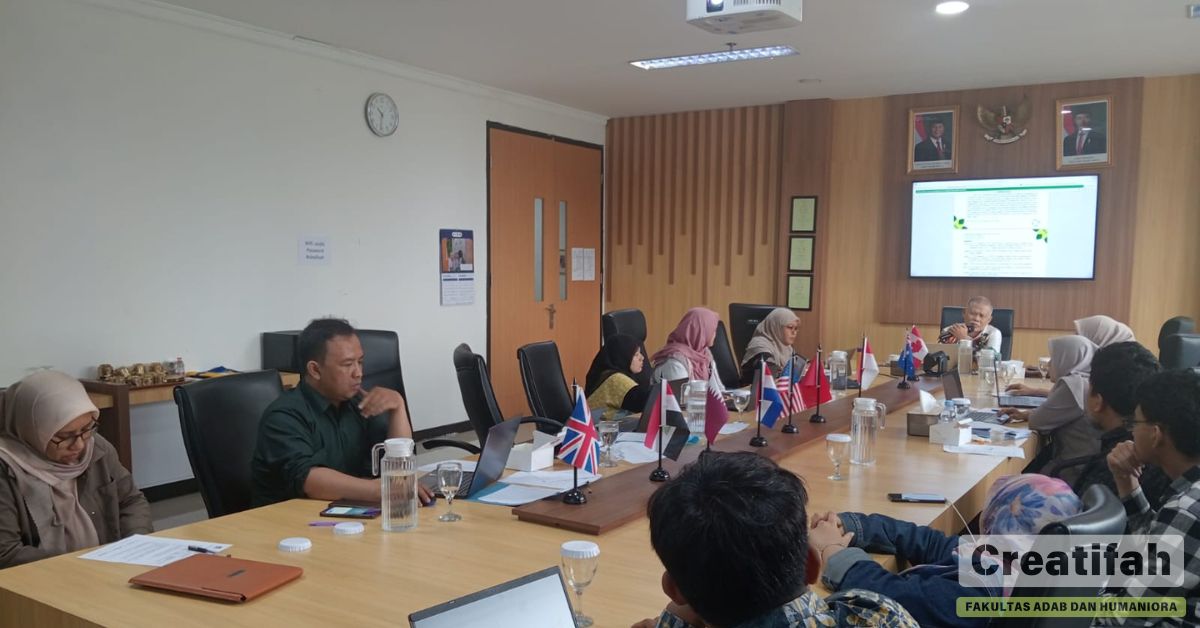
FAH Building, FAH News Online - Faculty of Adab and Humanities (FAH) UIN Syarif Hidayatullah Jakarta continues to strengthen strategic steps in improving the quality of scientific publications 12/09/2025. The FAH Journal Management Team took part in the “Strategic Mentorship for Achieving Scopus-indexed Journal Accreditation” activity in the main FAH Courtroom. This activity presented a resource person from Universiti Kebangsaan Malaysia (UKM), Prof. Ahmad Sunawari Long, who provided technical direction regarding Scopus accreditation standards and requirements.
In his speech, Deputy Dean for Dr. Ida Farida, M.LIS emphasized that mentoring and mentoring from experts is very necessary to encourage journals within the FAH to move towards international indexation. He said that several FAH journals that have achieved national reputation at SINTA 1 level are currently preparing to move up to Scopus. “It is hoped that this activity will bring real benefits to our journals, especially those that have submitted it but are still experiencing rejection. "With a direct review session from the sources, we hope to be able to correct the shortcomings and submit again with a stronger opportunity," he said.
Prof. Ahmad Sunawari Long in his presentation explained a number of important points that were the main concern of the Scopus team in carrying out the assessment. According to him, there are 37 quality indicators that must be met by journals that will apply for Scopus indexation. One crucial factor is the existence of an international scale editorial team. The composition of editors should not be dominated by a single country or a single institution, so the involvement of foreign editors with a valid H-index and Scopus ID is the main point of assessment. “Internal maximum only three people. The rest must be from various credible universities abroad, he explained.
Furthermore, Prof. Sunawari emphasized the importance of international standards in article presentation, such as the use of English in titles, abstracts and keywords, the consistency of alphabetically ordered reference writing styles, as well as improving article templates to meet the completeness of the scientific structure. He also recalled that the quality of published articles was one aspect that received an in-depth evaluation.
From the aspect of publication sustainability, journals must be able to maintain consistent article counts of at least 20 articles per year, with stable distribution of publications. Apart from that, ethics statements, acknowledgment, and clarity of the journal scope are components that must be included in every publication. He added that the editorial process should also be transparent, including information on the speed and timing of article reviews.
“Scopus pays great attention to quality, author diversity, grammar checking accuracy, and manuscript authenticity through tools like Turnitin. So, every article must be completely ready and in accordance with international standards,” he stressed.
This mentorship activity is a concrete step for FAH in realizing the target of increasing accreditation of scientific publications globally. With professional guidance like this, it is hoped that FAH journals will be able to immediately fulfill all accreditation requirements and pass the Scopus assessment process. The participants, who were managers of journals within the FAH environment, seemed very enthusiastic about participating in the entire series of activities. They actively discussed, recorded various technical inputs, and conveyed experiences and challenges that had been faced in the process towards international indexation.
The activity closed with an interactive discussion session, providing space for the journal team to obtain direct consultations regarding the technical obstacles that had been faced. FAH is committed to continuing to support the development of journal governance to strengthen academic reputation and encourage broader contributions at the international level. The full support of faculty leaders and the spirit of collaboration between the entire journal team is expected to be positive energy in accelerating accreditation and improving the quality of FAH scientific publications to the global level.
Documentation: