
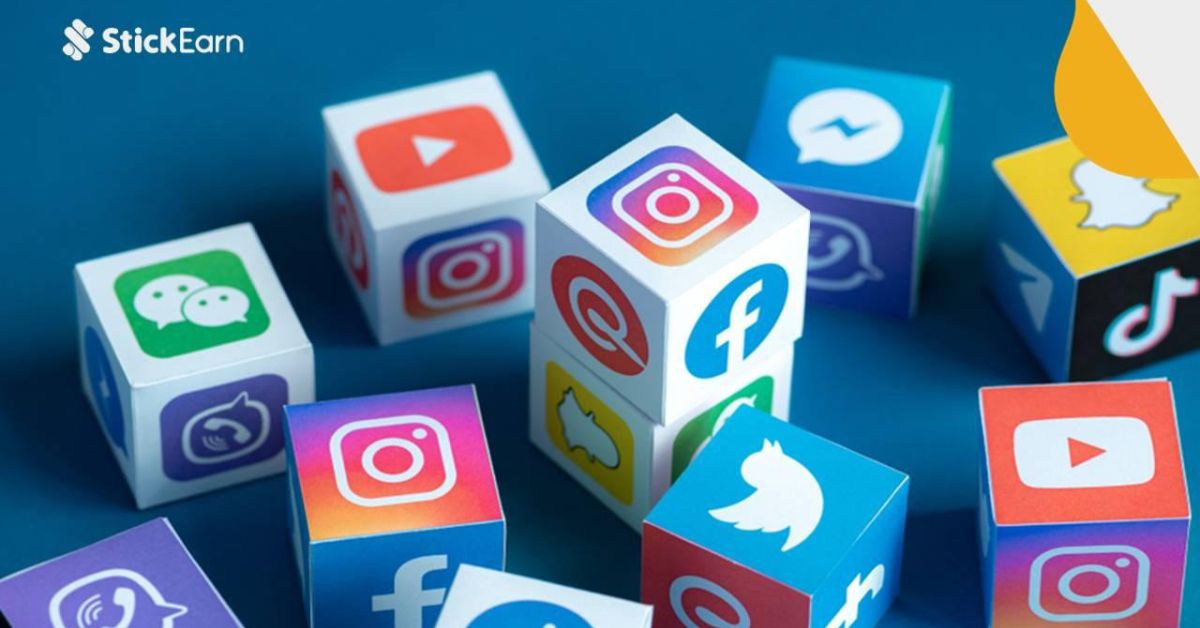
Social Media: Between a Source of Information and a Threat to Students’ Mental Health
In today’s digital era, social media has become an inseparable part of students’ lives. Platforms such as Instagram, X (formerly Twitter), TikTok, and WhatsApp are not only used for entertainment but also serve as spaces for accessing information, building academic networks, and expressing personal identity. For students, social media is often regarded as a “new public sphere” that enables the rapid exchange of ideas without geographical limitations. However, behind these benefits lie a number of serious concerns, particularly those related to mental health.
As a source of information, social media plays a significant role in supporting students’ academic activities. Information about scholarships, seminars, internship opportunities, and social and political issues can be accessed quickly and easily. Many students use social media to follow educational accounts, academic communities, lecturers, and educational institutions. In this context, social media functions as an alternative medium that complements conventional sources of information such as books and academic journals. This ease of access enables students to remain responsive to current developments and contemporary issues.
However, the high intensity of social media use also carries psychological consequences. Excessive exposure to information, often referred to as information overload, can leave students feeling pressured, anxious, and overwhelmed. Furthermore, the culture of social comparison fostered by posts showcasing achievements, lifestyles, and idealized standards of success can trigger feelings of inadequacy. Students may unconsciously compare their own life journeys with carefully curated fragments of other people’s lives displayed on social media. Such conditions have the potential to contribute to stress, anxiety, and diminished self-confidence.
Moreover, social media has contributed to the growing phenomenon of fear of missing out (FOMO) among students. The fear of being left behind in trends, social circles, or peers’ achievements encourages students to remain constantly connected online. As a result, the boundaries between personal space and digital space become increasingly blurred. Rest time is disrupted, academic focus declines, and face-to-face social interactions gradually decrease. Over time, these conditions can lead to mental exhaustion and a decline in overall psychological well-being.
Nevertheless, social media should not be viewed solely as a threat. The main issue lies in students’ patterns of use and their level of digital awareness. When used critically and responsibly, social media can become a valuable source of social support. Many students find communities where they can share experiences related to mental health, academic pressure, and campus life challenges. These discussion spaces can help students realize that they are not alone in facing their difficulties.
Therefore, social media occupies an ambiguous position: on one hand, it serves as a source of information and connection; on the other, it presents potential risks to students’ mental health. The challenge moving forward is not to distance oneself entirely from social media but to develop digital literacy and psychological awareness in its use. Students need to learn how to manage screen time, filter information critically, and cultivate healthy relationships with the digital world. In doing so, social media can remain a productive tool without compromising users’ mental well-being.
Author: Inna Fatahna Hanifah
Editor and Reviewer: Muhammad Husein Fadhlillah
Photo Source: StickEarn
References
- Kuss, D. J., & Griffiths, M. D. (2017). Social Networking Sites and Addiction: Ten Lessons Learned. International Journal of Environmental Research and Public Health, 14(3).
- Primack, B. A., et al. (2017). Social Media Use and Perceived Social Isolation Among Young Adults. American Journal of Preventive Medicine, 53(1).
- Twenge, J. M. (2019). iGen: Why Today’s Super-Connected Kids Are Growing Up Less Rebellious, More Tolerant, Less Happy. New York: Atria Books.