Public Lecture for New BSA Students: Equipping Students with Academic Knowledge, Ethics, and Personal Development
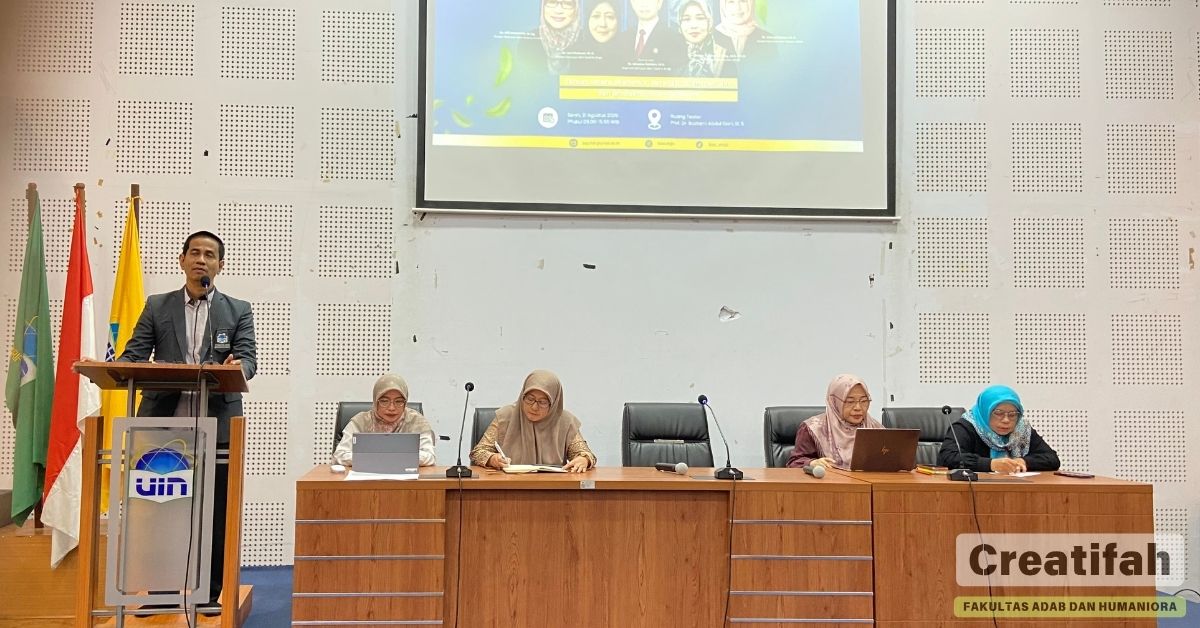
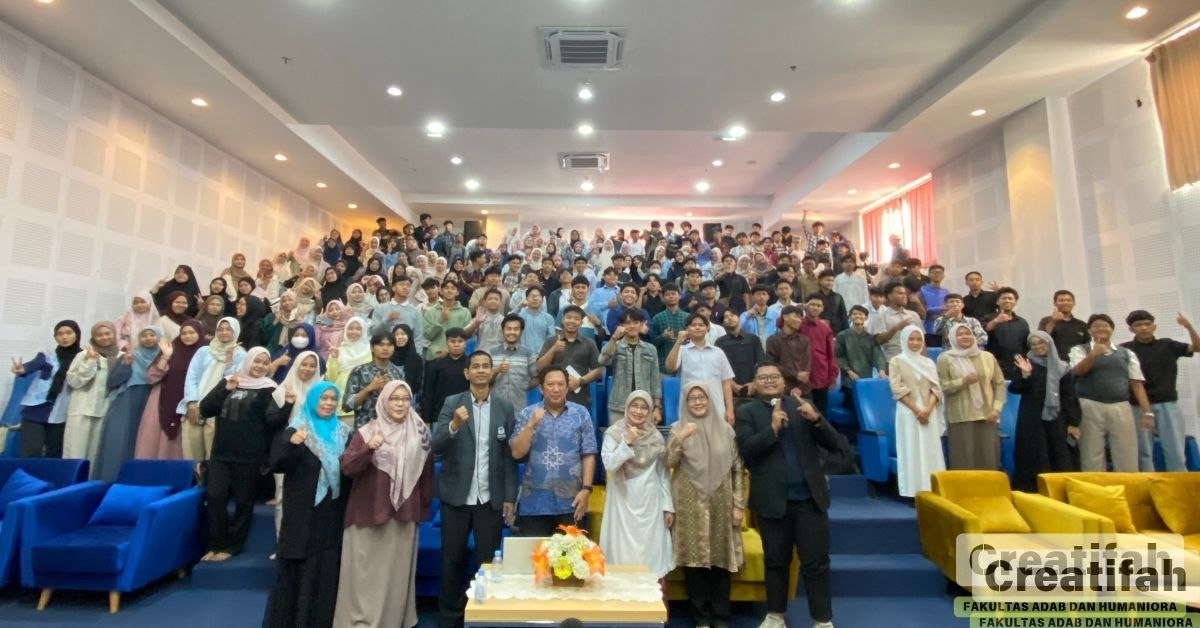
5th-Floor Theater, FAH News Online – The Arabic Language and Literature Study Program (BSA), Faculty of Adab and Humanities (FAH), UIN Syarif Hidayatullah Jakarta, held a Public Lecture for New BSA Students on Monday (August 31, 2026). Carrying the theme “Academic Excellence, Ethical Conduct, and Productive Creativity,” the event served as an initial orientation for new students as they embarked on their university journey.
Held in the Prof. Bustami Abdul Gani Room on the 5th floor of FAH, the public lecture was attended by new students of the BSA Study Program. The event began with a keynote speech and introductory remarks by the Head of the BSA Study Program, Dr. Minatur Rokhim, M.A., accompanied by the Secretary of the Study Program, Mugy Nugraha, M.Si. In his remarks, the Head of the Study Program explained that the public lecture is held at the beginning of each semester to provide an overview of academic life in the BSA Study Program and to help students navigate their studies successfully and graduate on time.
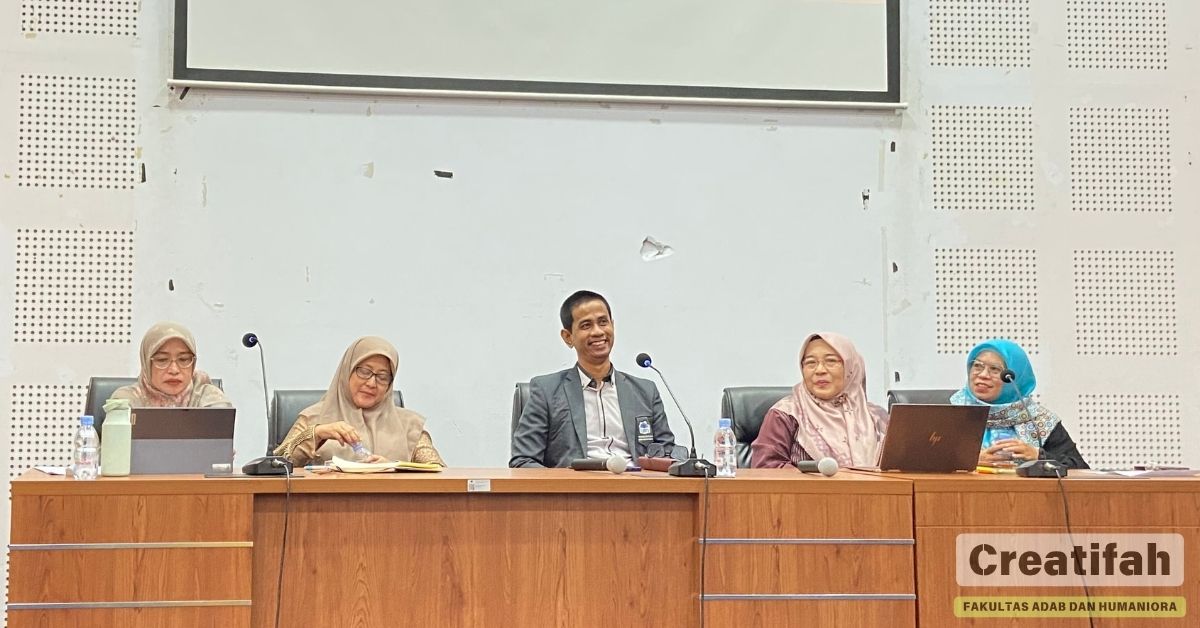
The first session was delivered by Dr. Siti Amsariah, M.Ag., on the topic “Understanding University Life through the Academic System.” She explained the paradigm shift from being a school student to becoming a university student. Students are expected to become active learners, read materials before lectures, seek relevant sources, and complete assignments independently. They were also introduced to the credit-hour system (SKS), GPA and cumulative GPA assessment, the role of Academic Advisors, and the use of digital academic services through E-Semesta.
Next, Dr. Umi Kulsum, M.A. presented a session entitled “Strategies for Academic Success and Timely Graduation.” She emphasized that student success is not measured solely by a high GPA, but also by mastery of knowledge, critical-thinking skills, independent learning, communication, time management, character, integrity, and the ability to build relationships. Students were also encouraged to begin building their portfolios from their first semester through academic achievements, event committees, research, competitions, articles, and student organizations.
The third session focused on manners and communication and was delivered by Dr. Yeni Ratna Yuningsih, M.A., under the theme “Communication: Manners, Ethics, and Courtesy for University Students.” Students were encouraged to understand the importance of effective communication in building trust, reputation, and credibility. When communicating with lecturers and fellow students, they are expected to be clear, polite, responsible, and respectful of differences in opinion. Digital communication ethics were also highlighted, as every activity in the digital space can contribute to shaping a person’s professional identity.
Meanwhile, Dr. Cahya Buana, M.A., through his session “Personal Development, Achievement, and the Future,” encouraged students not to waste the opportunities available during their university years. He emphasized the importance of actively developing their potential and skills, including through student organizations and various personal development platforms. One such opportunity is HIMLA, which provides a space for students to develop their potential in Arabic Language and Literature, including areas such as poetry and debate.
During the discussion session, new students actively raised questions about balancing organizational activities and academic responsibilities, developing effective study habits, and strategies for achieving success and graduating on time. The speakers emphasized that students may actively participate in organizations to expand their networks and develop themselves, but their primary responsibility remains their academic studies. Students were also encouraged to choose organizations that align with their interests and potential.
Through this public lecture, new BSA students are expected to adapt to university life, understand the academic system, develop effective study habits, uphold ethics and good manners, and actively develop their potential. With these foundations, students are expected to grow into a generation that is academically excellent, ethical in conduct, and productive in creating meaningful work.
Writers: Kasih Nur / Deny Saputra
Documentation: