Organization Leadership Training: Data Analysis Through the HMPS SPI Work Program
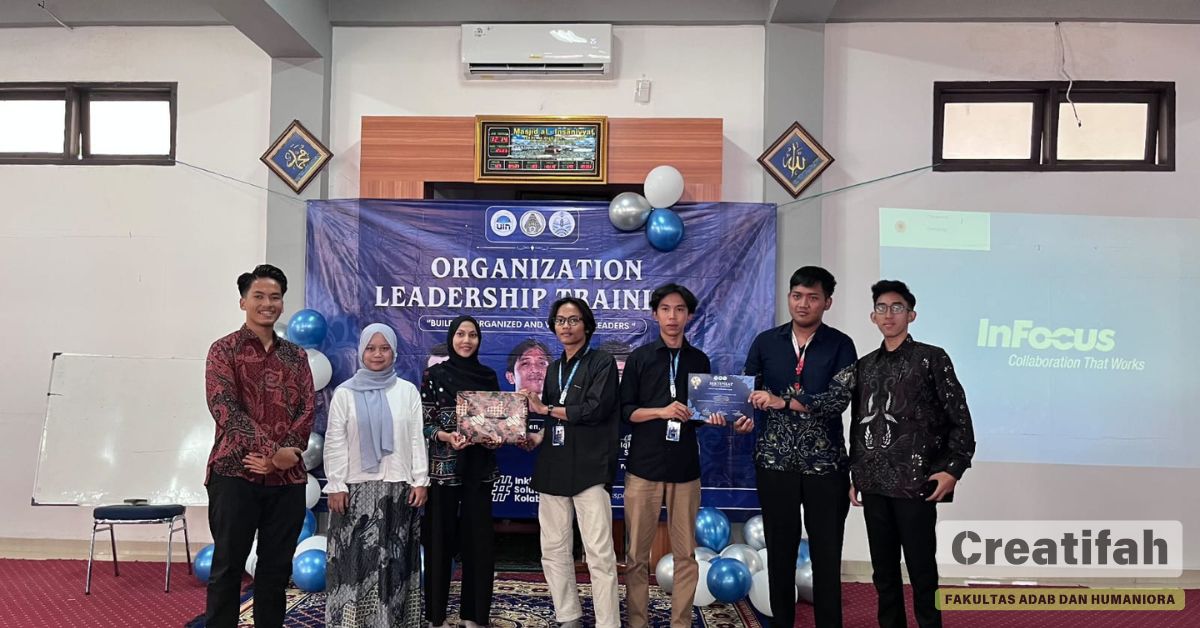
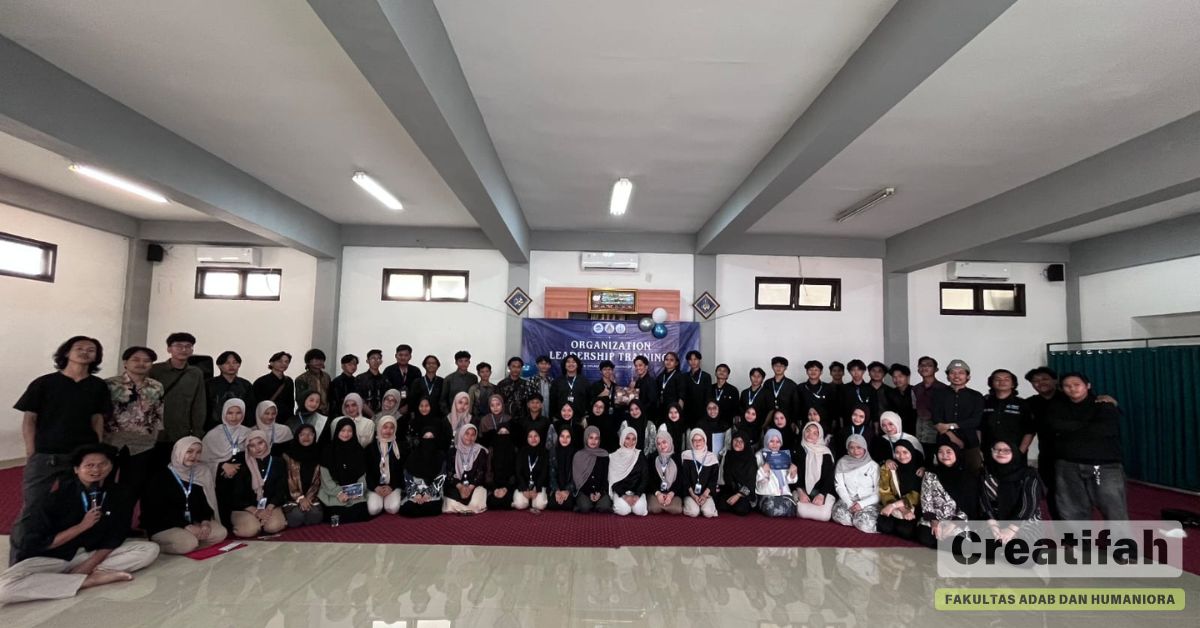
South Tangerang, FAH Online News – The Student Association of the Islamic History and Civilization Study Program (HMPS SPI), Faculty of Adab and Humanities (FAH), UIN Syarif Hidayatullah Jakarta, once again organized the Organization Leadership Training (OLT) as the closing series of its student organizational capacity-building program. Carrying the theme “Data Analysis,” the activity was held on Saturday (June 6, 2026) at Al-Insaniyat Mosque, Faculty of Adab and Humanities.
This activity aimed to provide students of the Islamic History and Civilization Study Program with an understanding of the importance of data analysis in organizational decision-making processes. As one of the work programs of HMPS SPI, the event was attended by HMPS SPI Chairman Thoriq Aziz Dawasla, Vice Chairman Muhammad Irfan Fadillah, members of the Executive Board (BPH), HMPS SPI members, and SPI students.
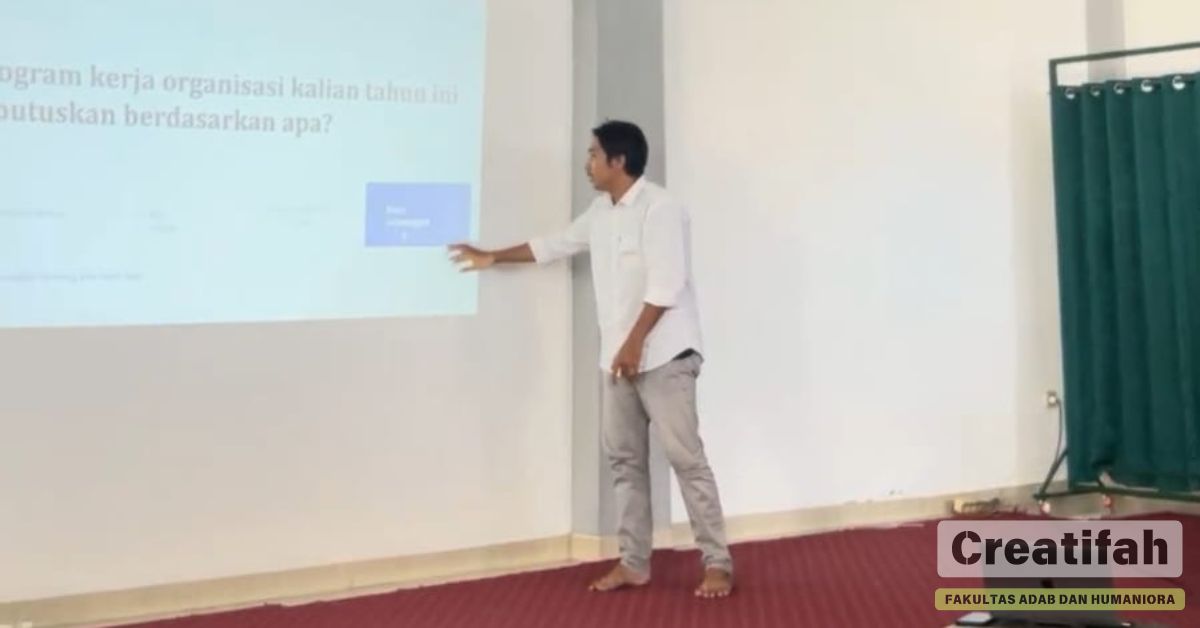
In the final session, the discussion focused on the role of data analysis in identifying and understanding various issues that arise within an organization. The speaker, Ali Nuralizen, S.Hum., explained that data analysis is an essential element that cannot be separated from organizational decision-making processes.
“In an organization, we are frequently faced with decision-making situations. Appropriate decisions can only be made after we examine and analyze the available data. To obtain relevant data, there are four steps that need to be taken: asking, searching, processing, and answering,” he explained.
Ali further elaborated that the first stage is asking, which involves identifying the root of a problem that will serve as the basis for data collection. The second stage is searching, which involves gathering evidence from readings, reports, interviews, and surveys conducted with relevant stakeholders. The third stage is processing, where the collected data is filtered and cleaned to meet analytical needs. Finally, the answering stage involves formulating solutions based on the results of the data analysis.
In addition to the presentation session, the activity also featured a question-and-answer session, allowing participants to deepen their understanding of the material. Participants showed great enthusiasm through various questions regarding the application of data analysis in managing student organizations.
As a closing activity, the committee once again conducted a Focus Group Discussion (FGD), similar to previous sessions. Through this activity, participants were given the opportunity to directly apply the concepts they had learned throughout the training. The group discussions were expected to enhance participants’ ability to analyze data in understanding organizational issues, enabling them to formulate appropriate solutions and work programs for the sustainability and future development of the organization.
Writer: Ahmad Daffa Rasyidi
Documentation: