
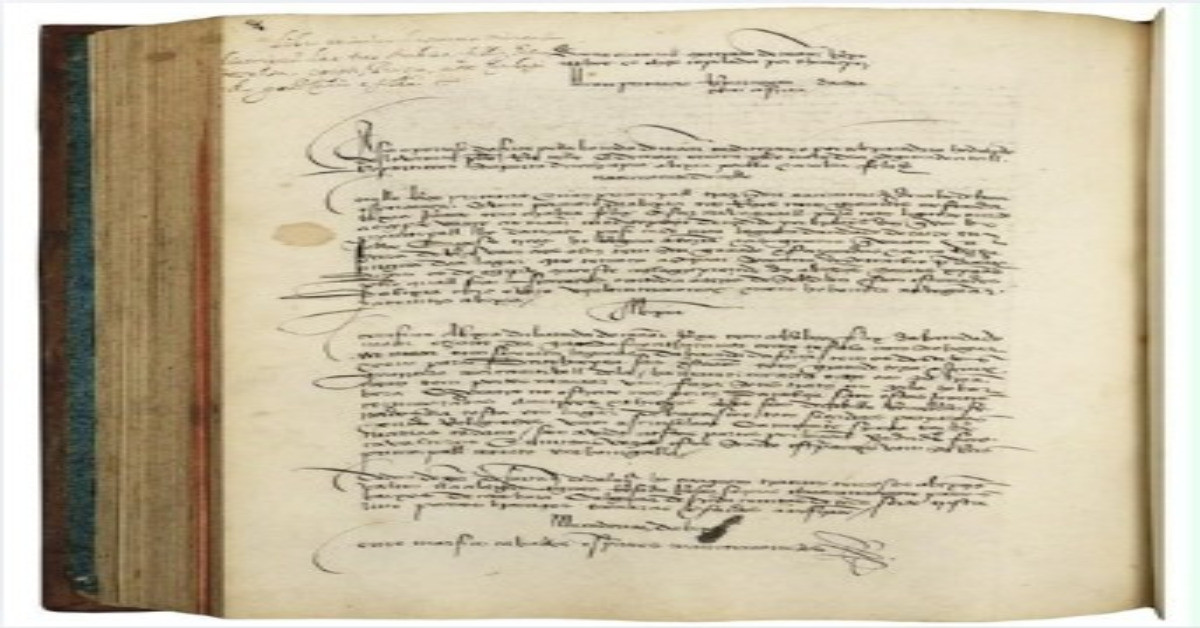
From the Pirates of the Strait of Malacca to Bank Account Raiders: Reading Digital Fraud Through the Historical Records of Nusantara
By: Muhammad Afif Ramadhan
Student of the Islamic History and Civilization Study Program, Faculty of Adab and Humanities, UIN Syarif Hidayatullah Jakarta
Have you ever imagined that the internet we use today is similar to the Strait of Malacca in the 15th century? Both are trade routes, vital arteries where money, information, and people move constantly. The difference is that, in the past, wooden ships from Gujarat, Arabia, and China traded spices, while today millions of people exchange data and money behind their device screens.
However, the law of history often repeats itself: wherever there is a busy trade route, there are always “pirates” waiting. In the past, pirates intercepted ships in the middle of the sea. Today, modern pirates hide within internet signals, ready to drain our bank accounts.
The rise of cybercrime today, from phishing and e-commerce fraud to identity theft, actually follows patterns similar to the intrigues and deception that once occurred during the golden age of Nusantara sultanates. Only the methods have changed.
Phishing: The Legacy of “Forged Letters” in the Digital Age
Today, one of the most frustrating types of fraud is phishing. Perpetrators send fake messages or emails pretending to be well-known banks, delivery services, or official institutions in order to obtain our passwords or credit card numbers. In the cyber world, this psychological manipulation tactic is known as social engineering.
In the past, pretending to represent authority was a common weapon in the political intrigues of sultanates. Historian M.C. Ricklefs, in A History of Modern Indonesia, noted that the collapse of trust often began with the manipulation of information from within. One dramatic example can be seen in the conflict within the Sultanate of Banten in the 17th century. When Sultan Ageng Tirtayasa firmly resisted the Dutch East India Company, his own son, Sultan Haji, was influenced by political manipulation and used “false legitimacy” to seize the throne. Letters, envoys, and misleading information were used to divide the loyalty of the people and the army.
If the people of Banten were once deceived by envoys and manipulated symbols of authority, today we are often trapped because we trust fake links or bank logos sent through WhatsApp. The key to safety has not changed for hundreds of years: do not trust too easily, always double-check, and verify.
Fake Marketplace Stores: The Dark Side of Cosmopolitan Port Markets
Besides phishing, online shopping fraud has also increased sharply. Data from the Indonesian E-Commerce Association (IDEAS) recorded a 73% increase in marketplace fraud cases in early 2024. The classic method is simple: fake seller accounts display photos of luxury goods, offer massive discounts of up to 80%, promise fast delivery, but then force victims to transfer money to personal bank accounts instead of using the platform’s official payment system.
Let us turn back the clock. Portuguese explorer Tomé Pires, in his account Suma Oriental, admired the bustling ports of Nusantara, such as Malacca and Samudera Pasai, which brought together hundreds of traders from different nations. However, behind the grandeur of these ancient port markets, there was always a dark side. In crowded corners of the market, dishonest traders often sold “mixed spices” or misused the names of major trading networks to sell poor-quality goods at cheap prices.
Today’s fraudsters who misuse the names of famous stores on Tokopedia or Shopee are the direct successors of dishonest traders in the port markets of Malacca centuries ago. They both exploit basic human tendencies: being tempted by cheap prices and being too lazy to check reputation.
Psychological Wounds and the Collapse of Social Capital
Digital fraud does not only leave victims with empty wallets. It also leaves deep psychological wounds. Research from the University of Indonesia in 2024 clearly showed this impact: 62% of online fraud victims experienced anxiety disorders, and 15% of romance scam victims fell into clinical depression. We may remember the Kompas report in early January 2024 about a student in Yogyakarta who lost tens of millions of rupiah due to a fake investment scheme and was eventually expelled from his boarding house because he could no longer pay rent.
Shame, anxiety, and the loss of trust among people are the most dangerous impacts. In Nusantara history, the fall of a great sultanate was rarely caused purely by external military attacks. Our kingdoms often became fragile from within when public morality was damaged, slander spread widely, and society became suspicious because trust, or social capital, had disappeared. Modern romance scams, in which perpetrators manipulate victims’ emotions for money, are similar to “false political marriages” in the past, which ultimately aimed to extract tribute and weaken allied kingdoms from within.
Installing “Layered Locks” in the Digital Ocean
So, how should we survive? The great maritime sultanates of Nusantara lasted for a long time because they understood that their waters were vulnerable to pirates. The Sultanate of Aceh under Sultan Iskandar Muda, for example, built a strict naval patrol system and enforced firm trade laws in its ports to protect merchants.
Today, the internet is our ocean. We can no longer rely on “luck” to avoid being deceived. We must build our own defense system. Activating Two-Factor Authentication (2FA), regularly updating passwords, and using antivirus software are the digital versions of maritime patrols.
More importantly, if we become victims, we should not remain silent out of shame. Report it immediately to the police or cyber authorities. History has left us with a valuable lesson: busy trade routes will always attract danger. Becoming smart, skeptical, and cautious internet users is the only way to sail safely through this digital ocean without sinking because of the tricks of modern pirates.
Bibliography
Pires, Tomé. (2015). Suma Oriental: Perjalanan dari Laut Merah ke Cina dan Buku Francisco Rodrigues. Translated edition. Jakarta: Komunitas Bambu.
Ricklefs, M.C. (2008). Sejarah Indonesia Modern 1200–2008. Jakarta: Serambi Ilmu Semesta.
Indonesian E-Commerce Association (IDEAS). (2024). Report on Marketplace Fraud Cases, First Quarter of 2024. Jakarta: IDEAS Data Center.
Kompas. (2024, January 5). “The Chain Impact of Cybercrime: A Student in Yogyakarta Loses Tens of Millions of Rupiah Due to Fake Investment.” Kompas Daily, p. 12.
University of Indonesia. (2024). Research on the Psychological and Social Impact of Digital Fraud Victims in Indonesia. Depok: Faculty of Psychology, University of Indonesia.