FAH UIN Jakarta Welcomes Student Delegations from Japan and the Philippines through the ISEATrac Program
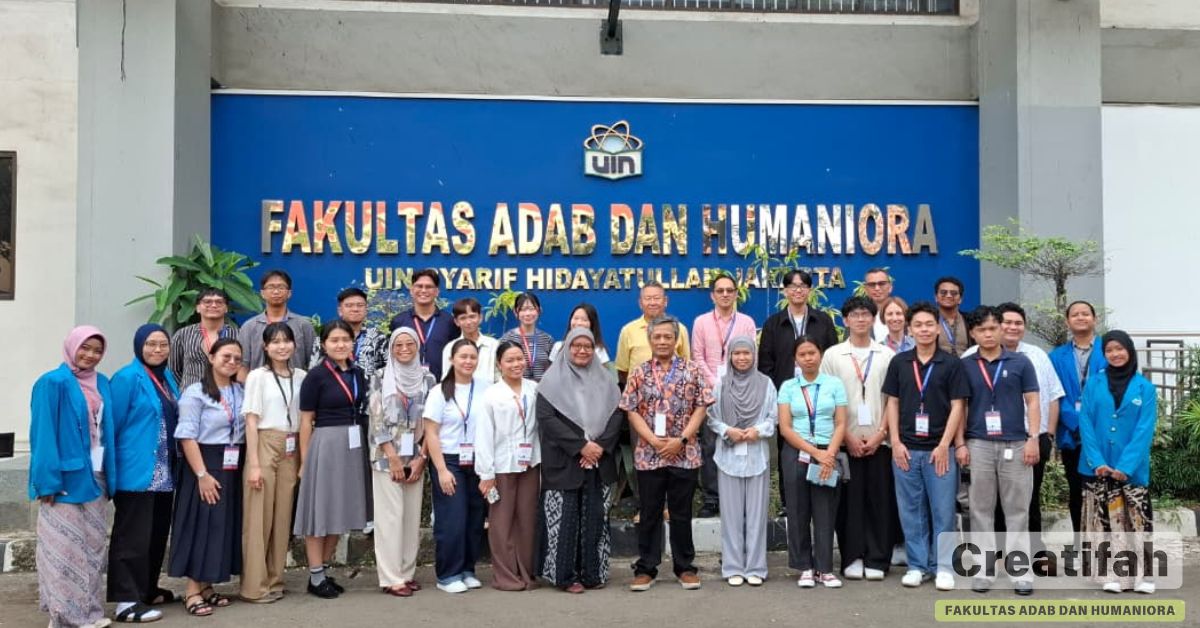
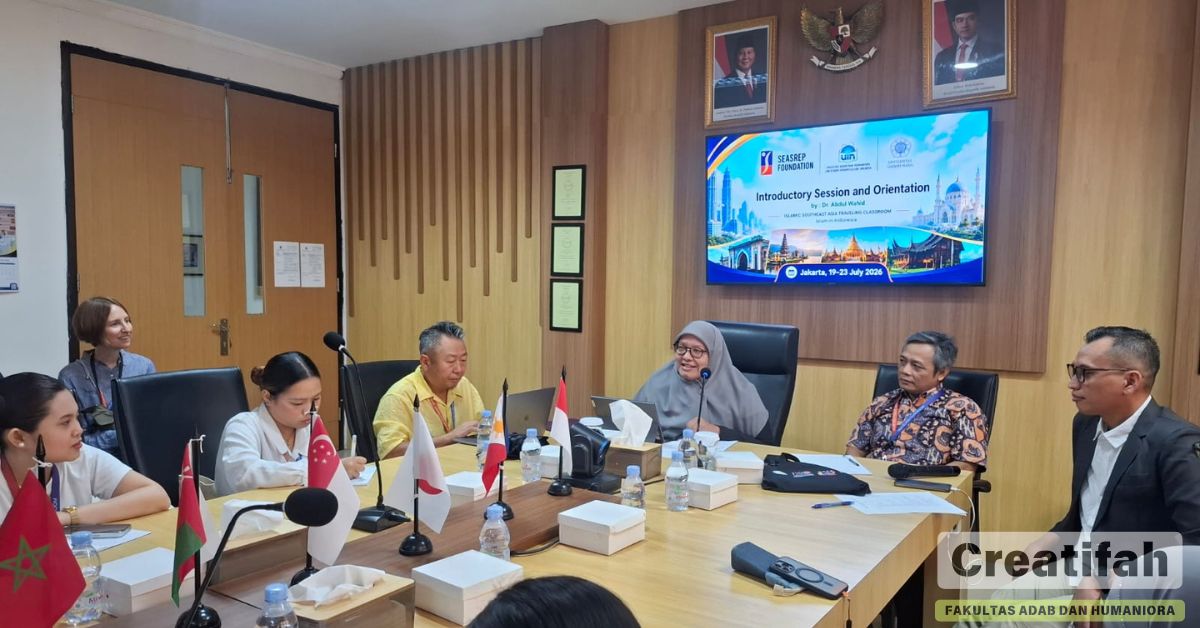
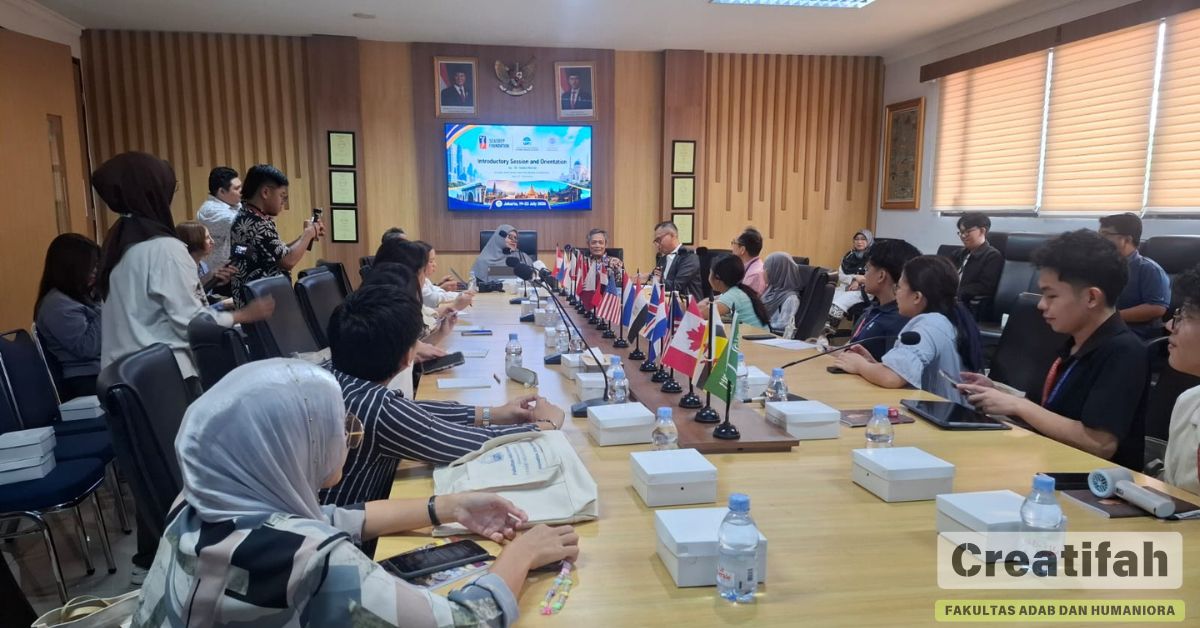
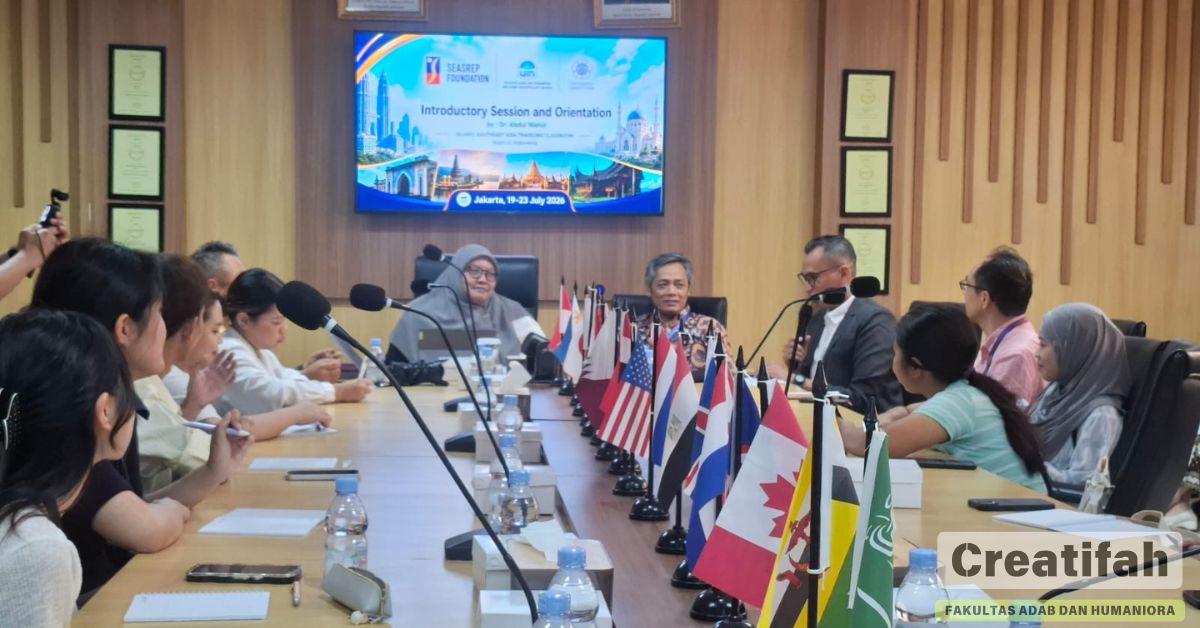
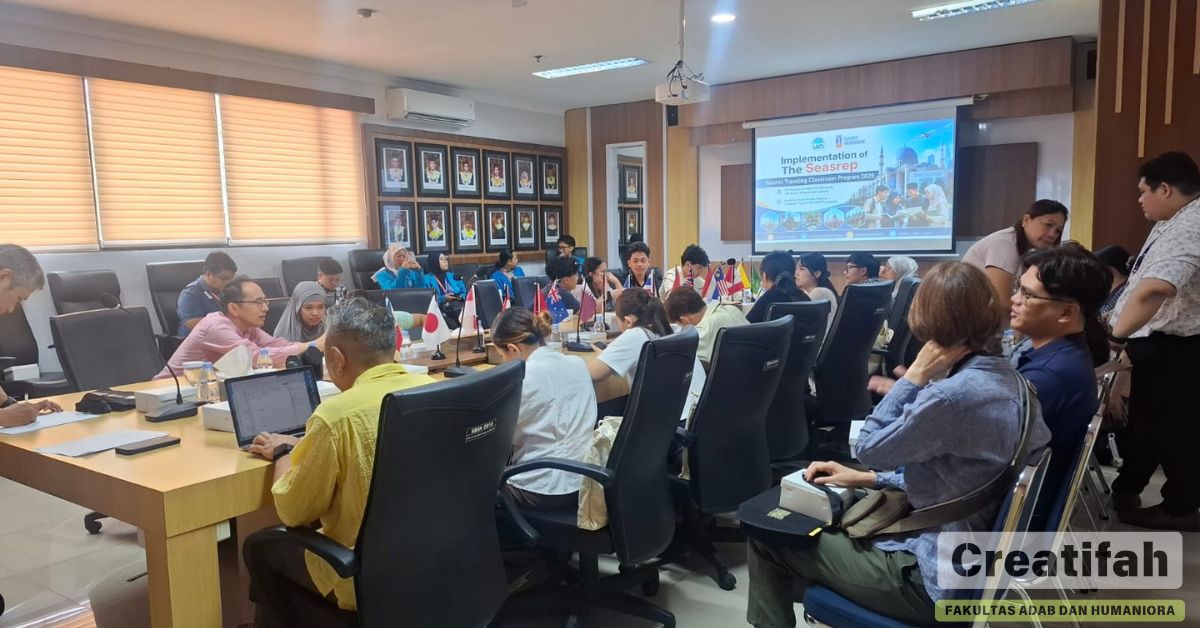
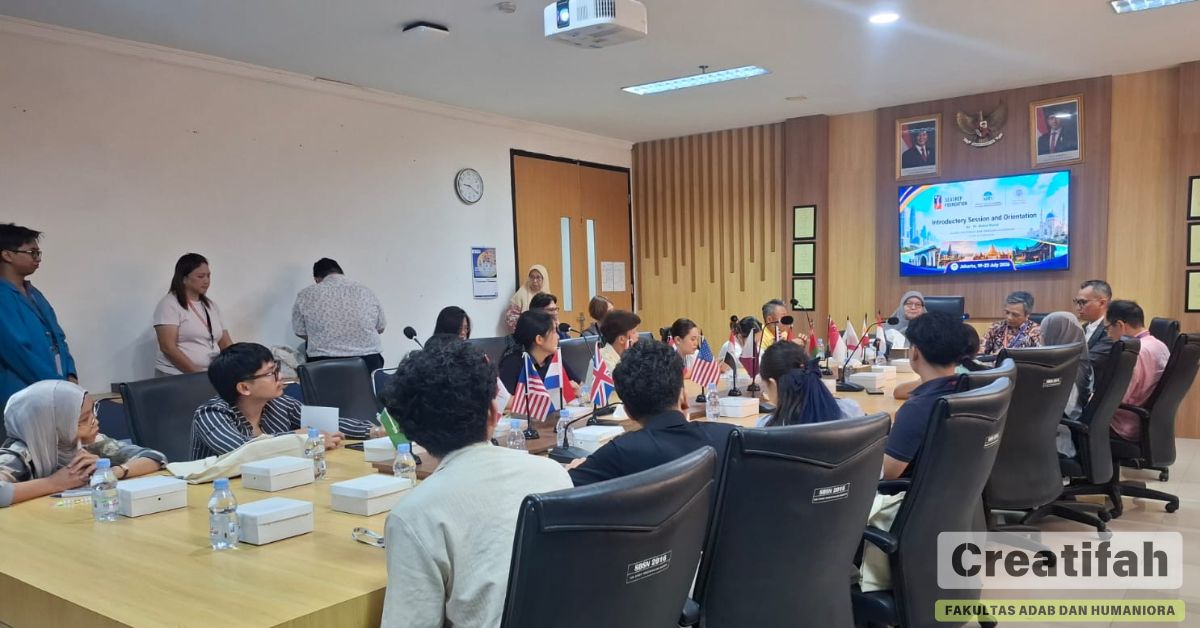
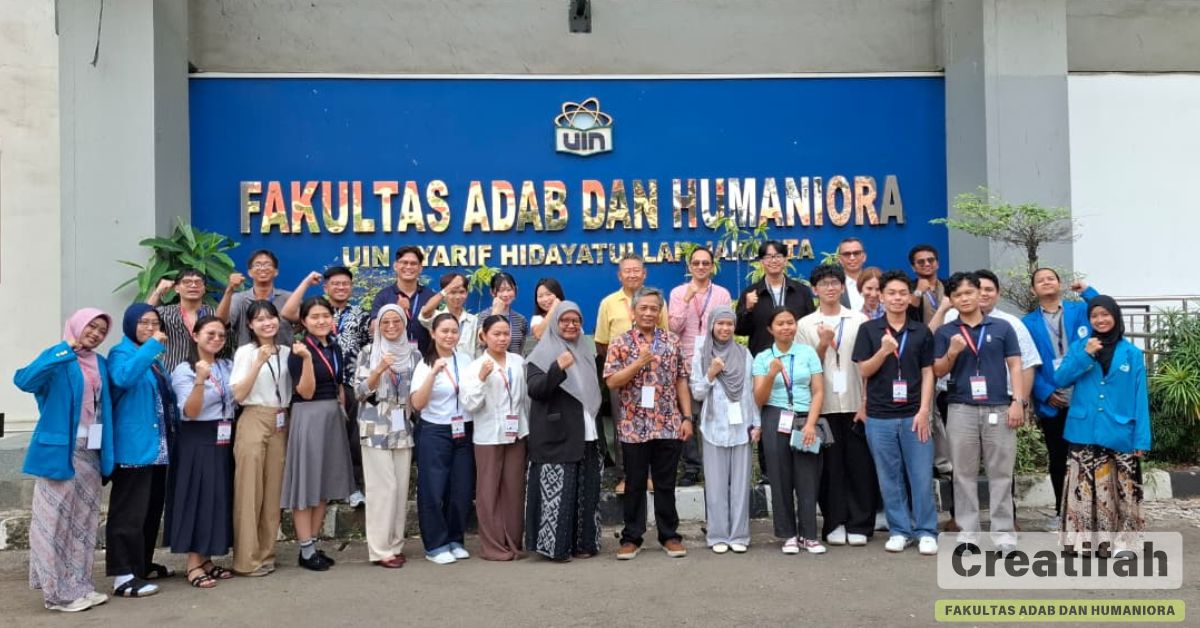
South Tangerang, FAH Online News – The Faculty of Adab and Humanities (FAH) at UIN Syarif Hidayatullah Jakarta welcomed an international student delegation through the Islamic Southeast Asia Travelling Classroom (ISEATrac) program on Monday (July 20, 2026). Organized in collaboration with the SEASREP Foundation, the opening and orientation session was held in the Main Conference Room on the second floor of the FAH Building, marking the beginning of a series of academic and cultural activities that participants will undertake across Indonesia.
This international academic program brings together students from Japan and the Philippines as part of an initiative to deepen understanding of Islam and Southeast Asian cultures through cross-border learning. This year, the Faculty of Adab and Humanities at UIN Jakarta has been selected as one of the official host institutions for the program.
The event began with an orientation and welcoming session moderated by Dr. M. Agus Suriadi, S.Pd., M.Hum., Secretary of the English Literature Study Program at FAH UIN Jakarta. In his opening remarks, he warmly welcomed all participants who will take part in the two-week intensive program in Indonesia. The welcoming ceremony became even more memorable with the presentation of an English pantun (traditional Indonesian poetic verse), introducing Indonesian cultural heritage while symbolizing openness, friendship, and hospitality toward the international participants.
The program was officially inaugurated by Dr. Ida Farida, M.LIS., Vice Dean for Academic Affairs of the Faculty of Adab and Humanities, UIN Syarif Hidayatullah Jakarta. In her remarks, she expressed her appreciation for the trust placed in UIN Jakarta as one of the hosts of the ISEATrac program. According to her, the program serves as a strategic platform for fostering dialogue, strengthening academic networks, and enhancing Southeast Asian youth's understanding of the history, traditions, and development of peaceful, moderate, and inclusive Islam.
Dr. Ida Farida also explained that FAH had assigned student buddies from various study programs to accompany the international participants throughout their stay in Jakarta. These student companions are expected to facilitate participants' adaptation while promoting cultural exchange, academic collaboration, and cross-cultural friendship.
The orientation continued with a presentation by Dr. Abdul Wahid, M.Hum., M.Phil., a lecturer at Universitas Gadjah Mada and Coordinator of SEASREP. He introduced the concept and travel itinerary of the ISEATrac program, which adopts a travelling classroom approach. Besides Jakarta, participants will also visit Bandung, Ciamis, and Yogyakarta as part of the academic journey.
Through these educational visits, participants will gain first-hand experience of Indonesia's rich Islamic history, diverse local cultures, and dynamic social life across different regions. According to Dr. Abdul Wahid, the travelling classroom model offers a more comprehensive learning experience by allowing participants to directly observe the interconnectedness of history, culture, and the development of Islam in Southeast Asia.
The orientation concluded with a participant introduction session. Students from Mindanao State University, the Philippines, together with participants from several universities in Japan, introduced their academic backgrounds and shared their motivations for joining the ISEATrac program. The session was warm, interactive, and engaging, reflecting the spirit of intercultural collaboration that lies at the heart of the program.
By serving as one of the hosts of ISEATrac, the Faculty of Adab and Humanities at UIN Syarif Hidayatullah Jakarta once again demonstrates its commitment to expanding international academic partnerships and supporting the internationalization of higher education. The program is expected not only to enrich participants' academic perspectives but also to strengthen relationships among students across Southeast Asia through dialogue, cultural exchange, and shared learning experiences.
Written by: Khalida Aqila Sepiani / Kasih Nur
Documentation: