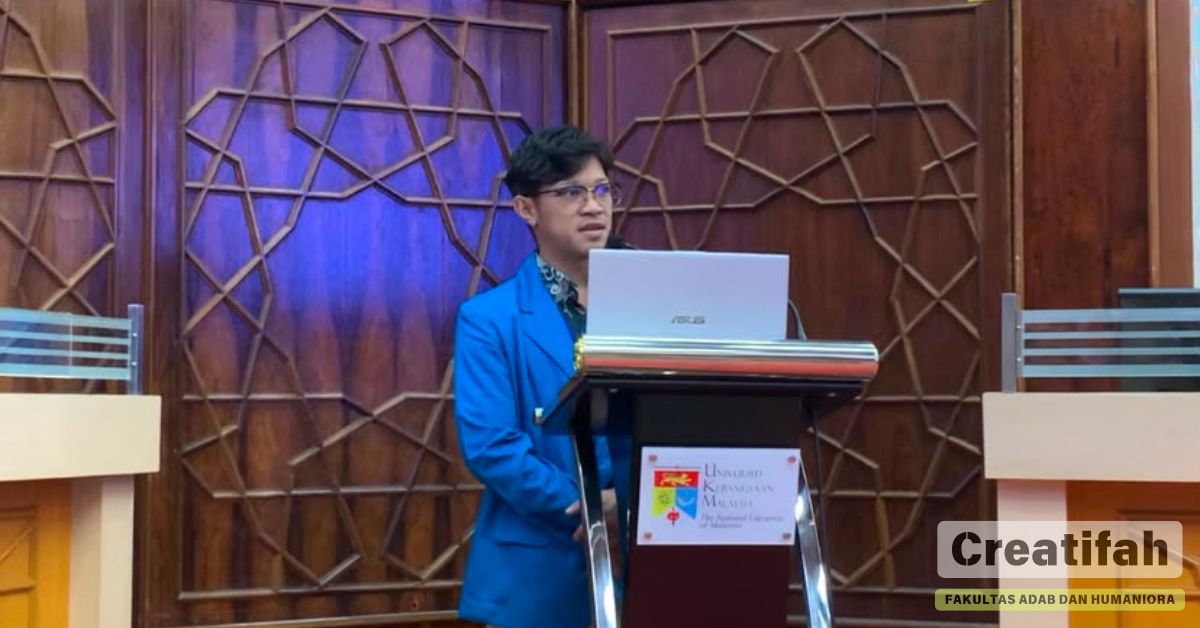
FAH UIN Jakarta Postgraduate Students Present Their Research at the 2026 Regional Seminar on Islamic Civilization at Universiti Kebangsaan Malaysia
FAH Online News, Malaysia, July 22, 2026 – Graduate students from the Master's Program in Arabic Language and Literature and the Master's Program in Islamic History and Civilization at the Faculty of Adab and Humanities (FAH), UIN Syarif Hidayatullah Jakarta, once again demonstrated their academic excellence on the international stage through their active participation in the 2026 Regional Seminar on Islamic Civilization (SSPI 2026), held at Universiti Kebangsaan Malaysia (UKM). On the second day of the seminar, the students presented their research findings across a wide range of disciplines, including history, culture, literature, media studies, and the Islamic cultural heritage of the Malay-Indonesian Archipelago.
Their participation not only provided a platform for disseminating academic research but also strengthened scholarly networks among higher education institutions across Southeast Asia. The diverse research themes highlighted the meaningful contributions of FAH students to the advancement of Islamic and humanities scholarship in addressing contemporary issues.
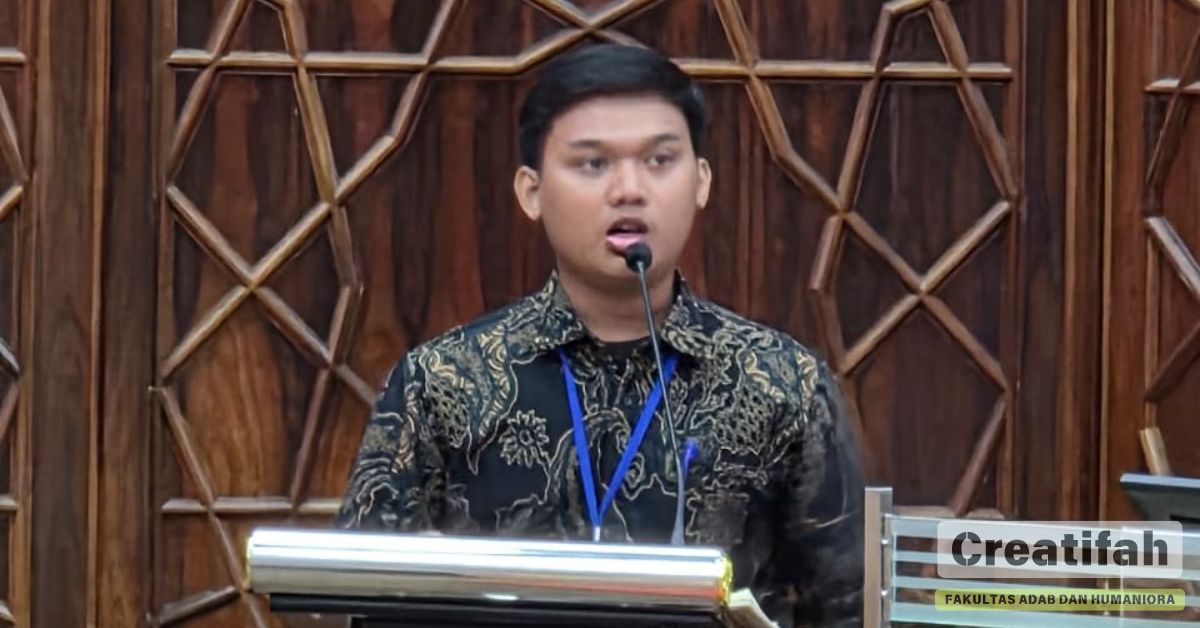
The presentations began with Yoga Difa Perdana, a Master's student in Islamic History and Civilization, who presented his paper entitled "Living Islamic Heritage: Pilgrimage to the Tomb of Habib Ali Kwitang in Jakarta, Indonesia, in the Twenty-First Century." His research demonstrates that the tradition of pilgrimage to Habib Ali Kwitang's tomb continues to flourish through the support of family memory, Islamic study circle networks (majelis taklim), and religious experiences transmitted across generations. Beyond its spiritual and social significance, the pilgrimage also generates economic benefits for the surrounding community through religious activities and local commerce, allowing the tradition to endure as a religious, social, and cultural practice sustained by collective memory.
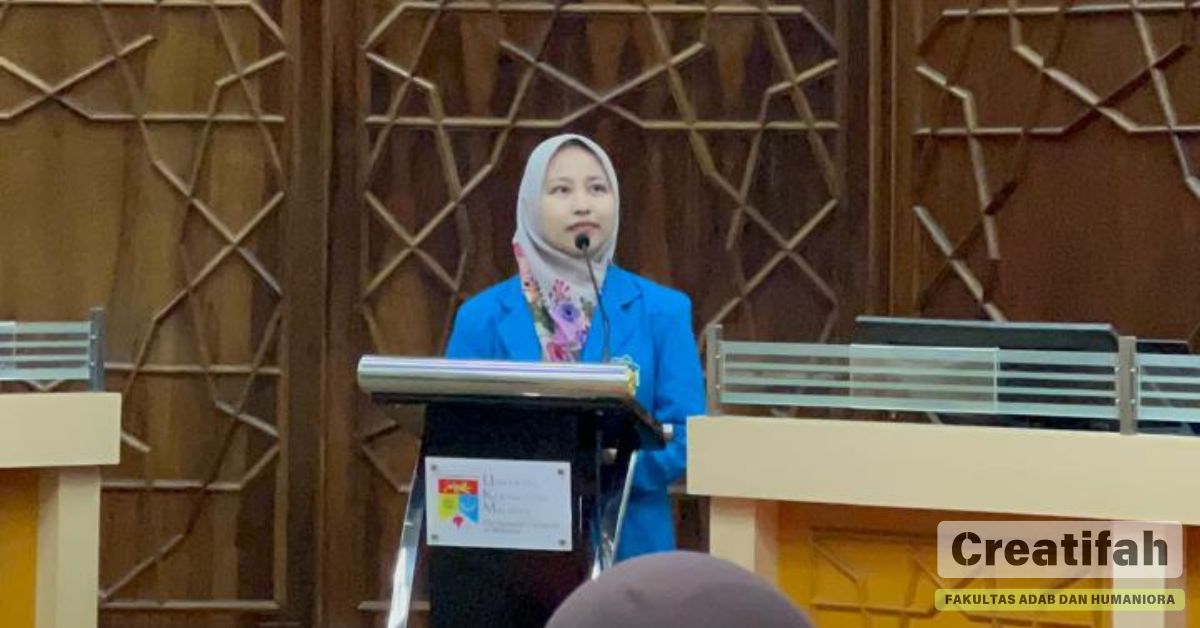
Next, Sania Aniqa, a Master's student in Arabic Language and Literature, presented her research entitled "When AI Reads Hamzah Fansuri: How Language Shapes Access to Knowledge." The study examines how artificial intelligence (AI) models represent the Sufi thought of Hamzah Fansuri through the text Asrar al-'Arifin in both Indonesian and Arabic. The findings reveal that AI tends to simplify the originality of Hamzah Fansuri's ideas, attributes sources differently depending on the language used, and obscures the cultural context of the Malay world in its interpretations. These findings underscore the crucial role of language in shaping access to knowledge while highlighting the challenges AI faces in accurately representing the intellectual traditions of Islam in the Malay-Indonesian Archipelago.
The following presentation was delivered by Angga Putra, also a Master's student in Arabic Language and Literature, with a paper entitled "Preserving the Islamic Cultural Heritage of the Malay-Indonesian Archipelago: A Case Study of Tale Mulapeh Haji in Kerinci." His research reveals that Tale Mulapeh Haji is not merely a farewell song for prospective pilgrims but also serves as a socio-cultural document recording social structures, collective cultural production, and the historical memory of the pilgrimage tradition among the Kerinci community. The study recommends preserving this tradition through digital documentation, educational integration, the revitalization of customary institutions, and stronger legal protection to ensure the sustainability of this Islamic cultural heritage amid globalization.
The next presentation was delivered by Nabilla Rana Dermawan, a Master's student in Arabic Language and Literature, whose research examined the discourse surrounding the 2025 Sumatra floods in Al Jazeera's news coverage. The study argues that discourse analysis should not be confined to linguistic aspects alone but must also consider cognitive dimensions and broader social contexts. The findings indicate that media reporting is not entirely neutral but reflects particular ideological perspectives that shape the construction of meaning surrounding the flood disaster.
Representing the Master's Program in Islamic History and Civilization, Bella Riskika Taufik presented her research entitled "Managing Unemployment and Welfare Governance in the Dutch East Indies (1930–1939): A Historical Perspective on Human Development." Her study demonstrates that the global economic crisis of the 1930s significantly increased unemployment in the Dutch East Indies. In response, various social organizations, including the Central Comité and IMIW, developed social welfare programs that gradually became integrated into colonial government policies for managing public welfare.
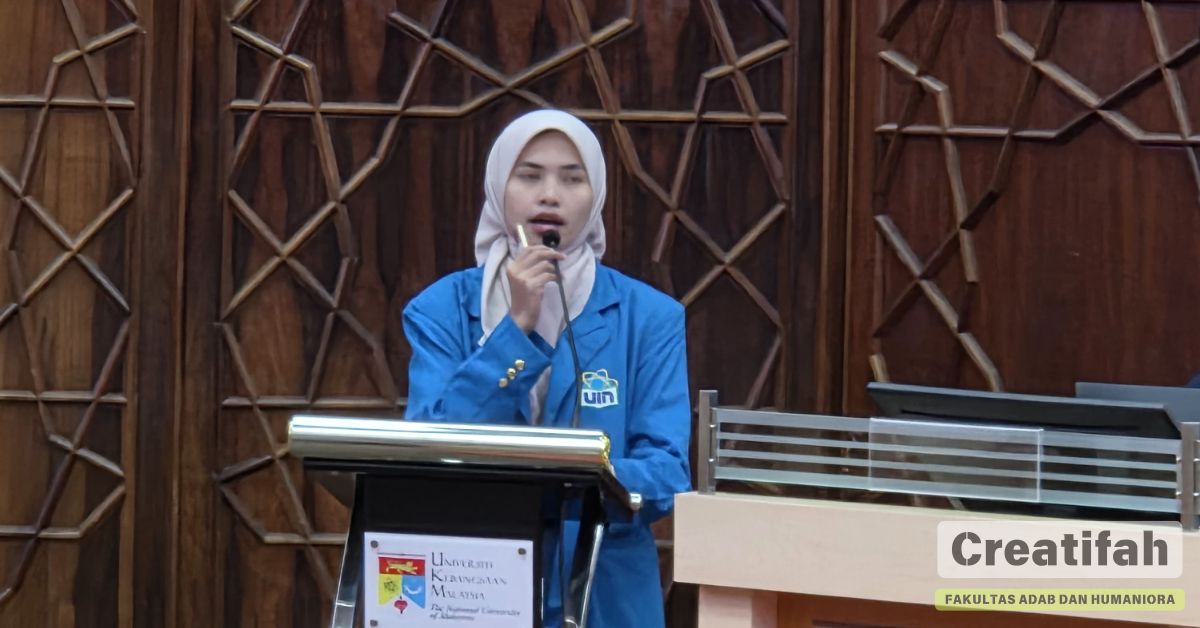
Concluding the presentation session, Fitriyani, a Master's student in Islamic History and Civilization, presented her research entitled "Charity Through Entertainment: Fundraising Through Charity Fairs for Education in the Dutch East Indies (1910–1940)." Her research demonstrates that entertainment events during the colonial period evolved into effective fundraising platforms supporting the establishment of both Islamic and public schools. Beyond serving philanthropic purposes, these charity fairs also functioned as collective spaces for fostering the ideals of national progress amid various restrictions imposed by the colonial administration.
The participation of postgraduate students from the Faculty of Adab and Humanities, UIN Syarif Hidayatullah Jakarta, in the 2026 Regional Seminar on Islamic Civilization reflects the institution's strong commitment to promoting a high-quality research culture while expanding the international dissemination of scholarly work. Through the diverse themes explored in their presentations, these students not only contributed to the advancement of academic knowledge but also offered fresh perspectives on the history, literature, culture, and evolving dynamics of Muslim societies throughout the Malay-Indonesian Archipelago.
Author: Nabilla Rana D
Documentation: