FAH UIN Jakarta, Lingkar Filologi Ciputat, and Dompet Dhuafa Collaborate to Explore Economic Values Embedded in Nusantara Manuscripts
South Tangerang, FAH Online News — The Faculty of Adab and Humanities (FAH), UIN Syarif Hidayatullah Jakarta, through the Doctoral Program in Islamic Civilization History, in collaboration with Lingkar Filologi Ciputat and Dompet Dhuafa, held a National Seminar entitled “Economic Issues in Manuscripts and Scripts” on Wednesday, June 24, 2026.
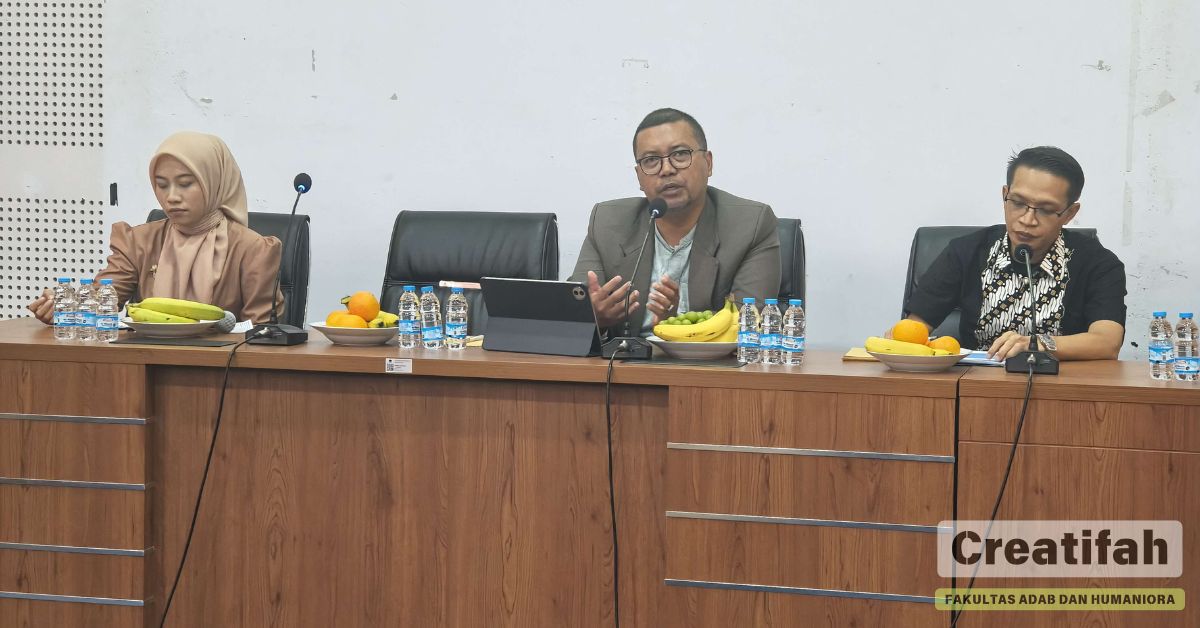
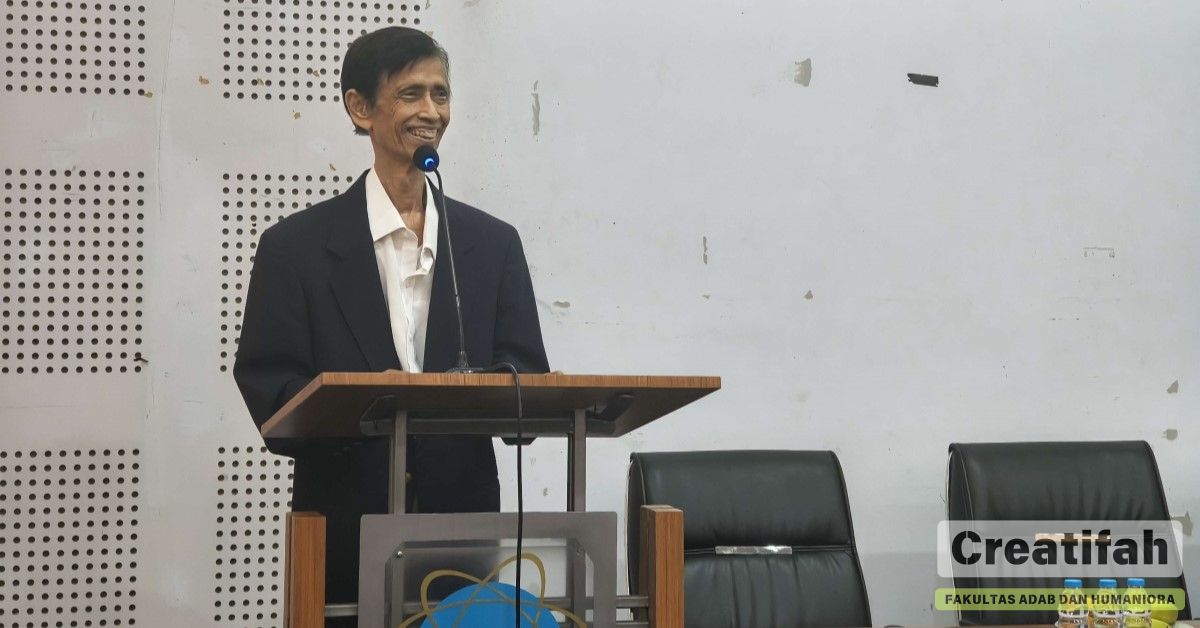
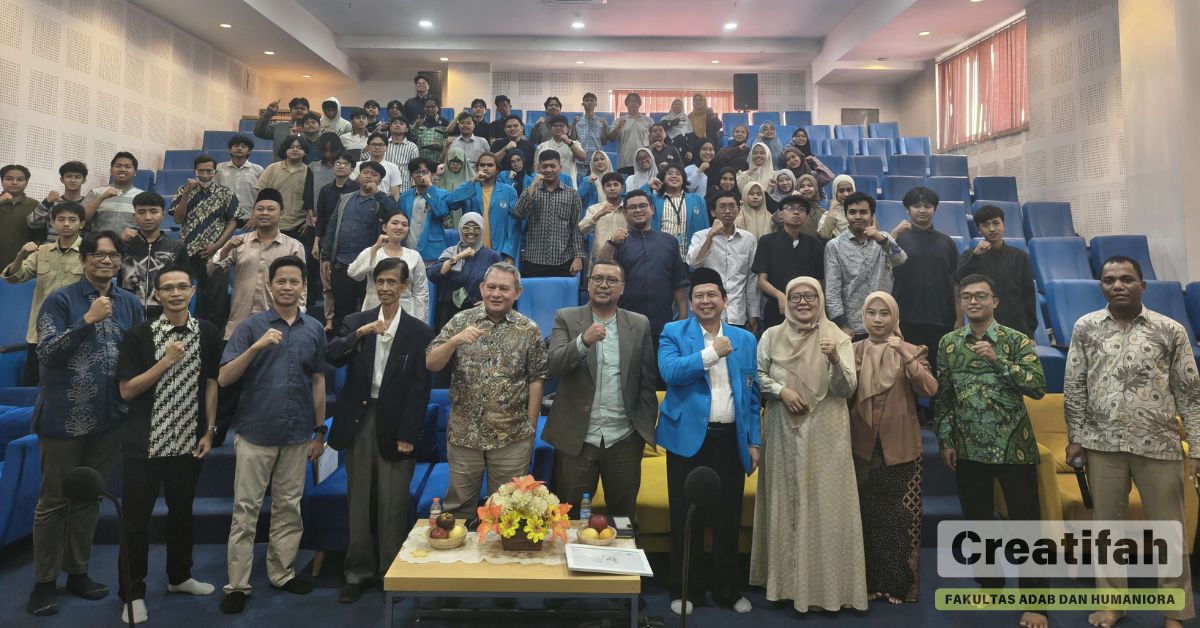
The event featured several speakers, namely Dr. Eka Kurnia Firmansyah, M.Hum., Head of the Arabic Literature Study Program at Universitas Padjadjaran; Prof. Yudi Latif, Curator of Sasana Budaya Dompet Dhuafa; Prof. Dr. Jajat Burhanudin, M.A., Head of the MSKI-DSPI Study Program; and Nur Kholis from Galeri Aksara Indonesia. The seminar was moderated by Dania, M.Hum., who also serves as a member of Lingkar Filologi Ciputat. The event was also attended by Prof. Usep Abdul Matin, S.Ag., M.A., Ph.D., FAH UIN Jakarta leaders, representatives of Dompet Dhuafa, academics, researchers, and students of Islamic Civilization History.
This seminar served as an academic forum to discuss how Nusantara manuscripts and scripts record various aspects of past societies, including economic development, monetary systems, and trading practices. Through the study of primary sources, participants were invited to view manuscripts as historical documents that preserve knowledge about the social and cultural dynamics that developed within a society.
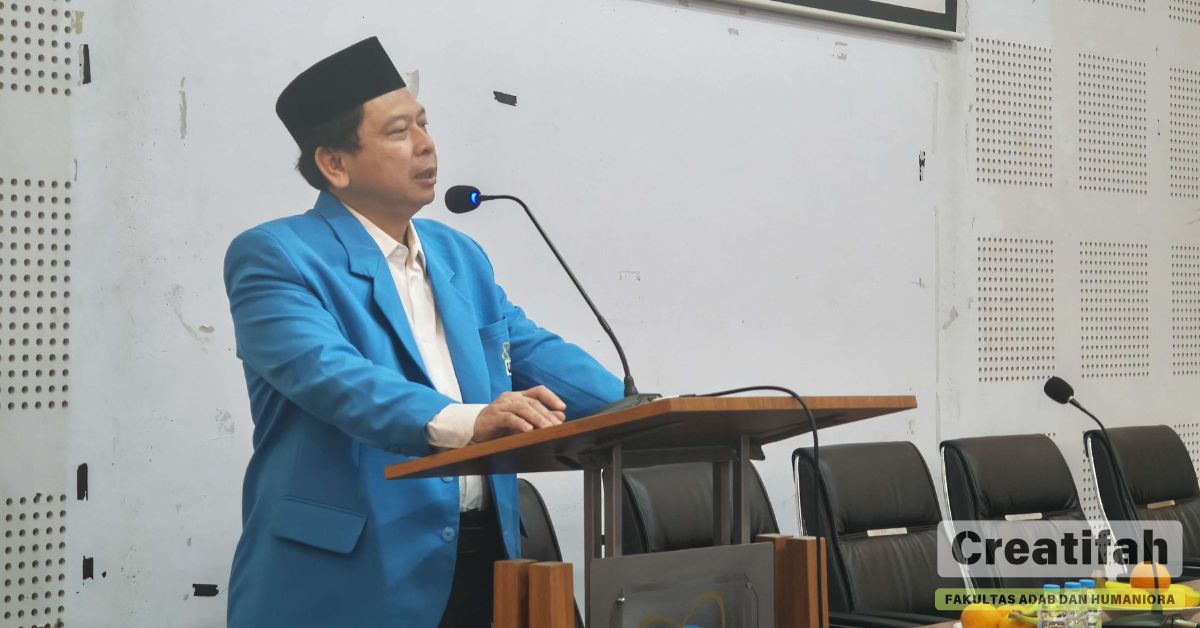
In his remarks, Prof. Usep Abdul Matin emphasized the importance of manuscripts and documents as the foundation of historical research. According to him, understanding the past requires sources that are able to provide a closer and more accurate picture of historical events. Manuscripts are among the important sources because they record the thoughts, experiences, and activities of society from various periods.
He also linked the importance of historical studies to the idea that understanding the past can provide perspectives for interpreting present conditions. Through research on documents and manuscripts, academics can explore various civilizational experiences that remain relevant to the lives of society today.
In the main session, Dr. Eka Kurnia Firmansyah, M.Hum., presented his study on monetary resistance to colonialism through the use of Pitas as a medium of exchange in the Banjar Sultanate. He explained that Pitas or Pitus was a copper coin that developed through Asian trade networks and was used in the economic activities of the Banjar people.
The study was based on a letter from the Sultan of Banjar dated 1819, which shows how society maintained the use of a medium of exchange that had gained social trust. The manuscript illustrates that local economic systems had their own mechanisms in responding to changes and pressures from the colonial monetary system.
The discussion continued with Nur Kholis from Galeri Aksara Indonesia, who raised the theme of preserving Nusantara scripts. He explained that local scripts not only possess historical value as media for preserving knowledge, but can also be developed as part of cultural expression and creativity in modern society.
In addition to discussing economics and scripts, the seminar also presented reflections on the challenges of Nusantara manuscript research. The availability of sources, limited access to manuscripts, and the dominance of colonial archives were among the issues that researchers need to consider in reconstructing history.
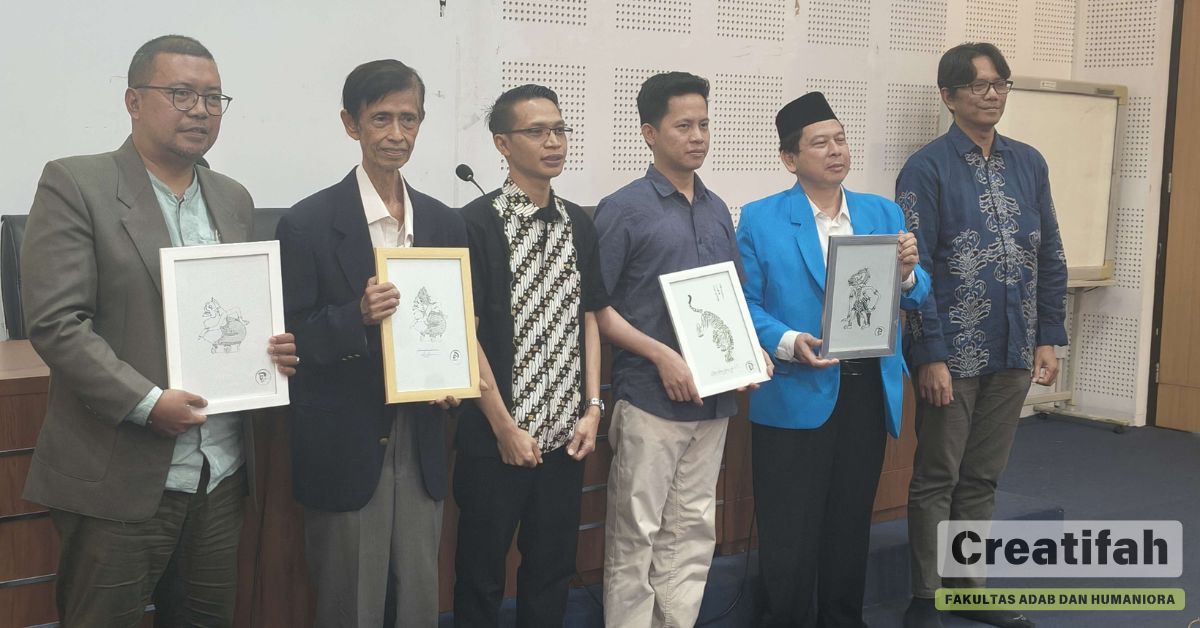
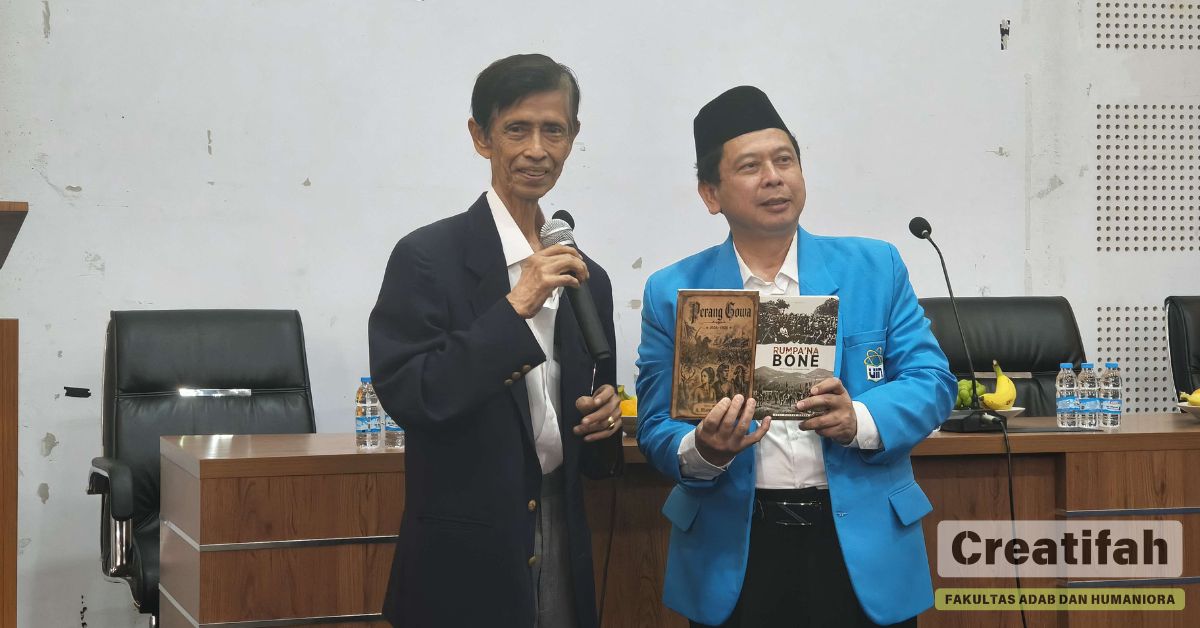
The seminar concluded with a question-and-answer session between the speakers and participants, followed by the presentation of souvenirs. Through this event, FAH UIN Jakarta and its collaborative partners encouraged the strengthening of philological and historical studies as an effort to understand Nusantara’s intellectual heritage, while also opening broader research opportunities on manuscripts as valuable sources of knowledge.
Writers: Andika Pratama / Inna Fatahna Hanifah
Documentation: