BERDIALEKTIKA: SPI and English Literature Student Associations Participate in a Public Discussion with UIN Jakarta's Young Pioneers
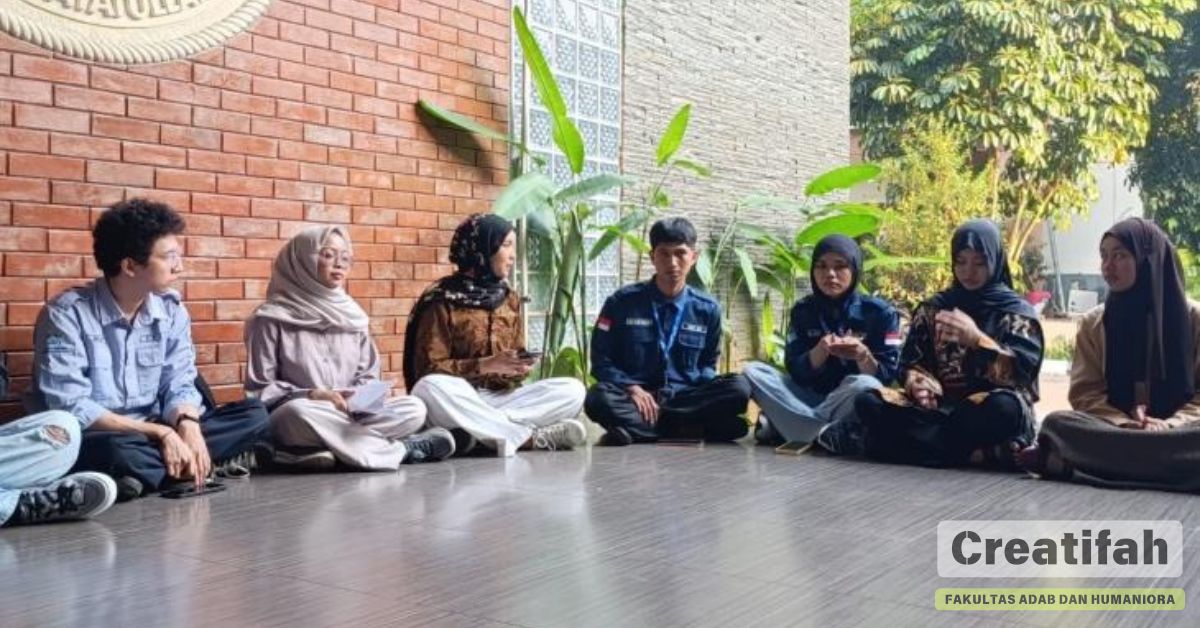
South Tangerang, FAH Online News – The Student Associations of the Islamic History and Civilization (SPI) and English Literature (SASING) Study Programs participated in a public discussion initiated by PIONIR MUDA UIN Jakarta on Thursday (July 9, 2026). The event was held at the courtyard of the Faculty of Social and Political Sciences and carried the theme, "The Anxious Generation: Examining the Mental Health of Young People through the Perspectives of Public Policy, Historical Resilience, and Safe Educational Spaces."
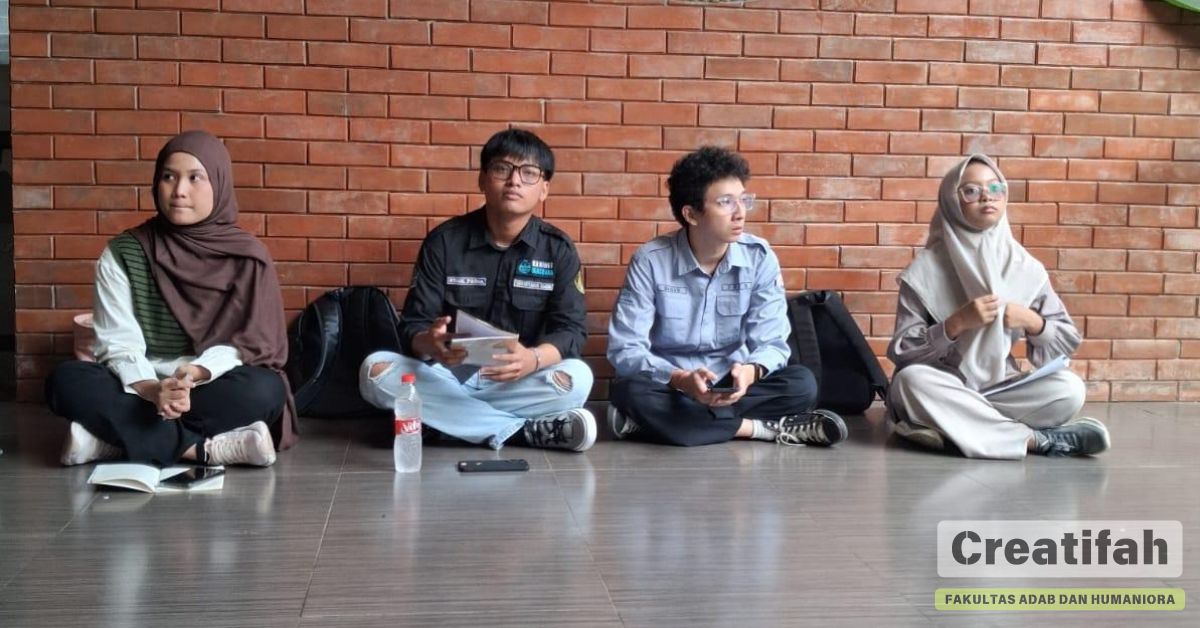
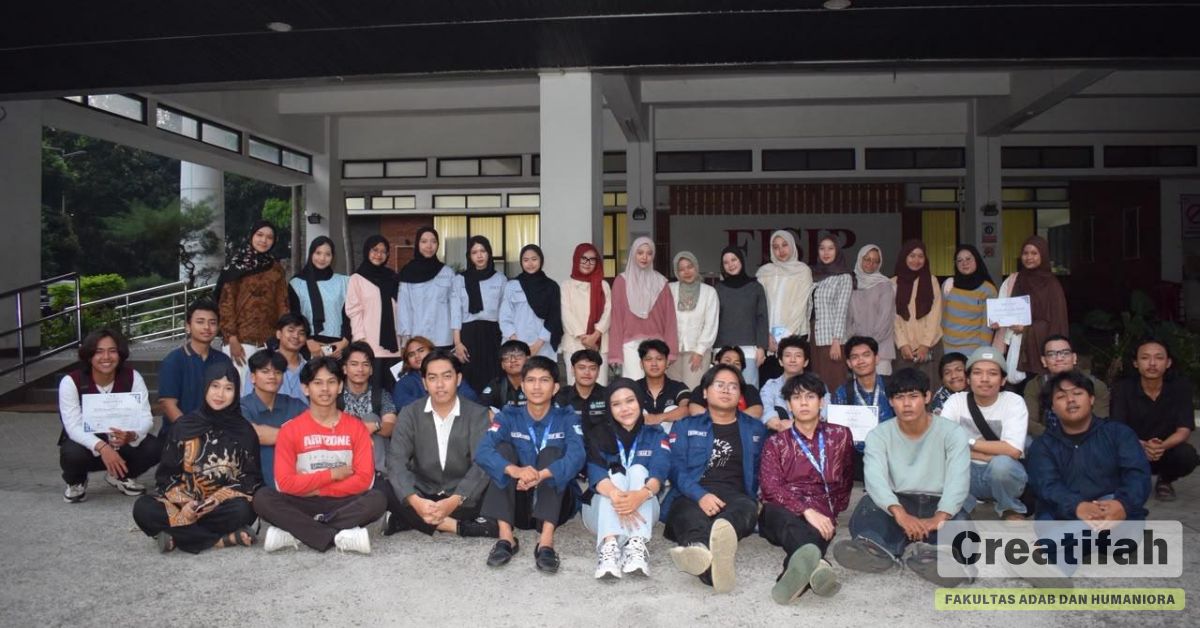
The discussion was organized as part of PIONIR MUDA UIN Jakarta's annual work program in collaboration with the SPI Student Association (HMPS SPI), the English Literature Student Association (HMPS SASING), and RUBLIKPOL. The event featured three speakers: Kemal Pasha, Secretary General of HMPS SPI; Muhammad Faris Gaisan, Secretary of Student Research Development of the English Literature Study Program; and Raden Roro R.Z.W., Head of the Strategic Studies Division of RUBLIKPOL. The discussion was moderated by Nayla and attended by members of the collaborating organizations as well as students from across UIN Syarif Hidayatullah Jakarta.
In her opening remarks, Rahmadini, Chairperson of the Organizing Committee, expressed her hope that the discussion would broaden students' perspectives while strengthening academic networking among UIN Jakarta students.
"This discussion is intended to enrich students' knowledge and provide new insights through diverse perspectives shared by UIN Jakarta students, while also creating opportunities to build academic networks across the university," she stated.
Following the opening session, representatives of each collaborating organization delivered welcoming remarks, expressing their appreciation for the successful implementation of the discussion and emphasizing the importance of collaborative academic forums.
The program then proceeded to the main discussion session, moderated by Nayla, who introduced a case study reflecting the challenges commonly experienced by today's university students.
The case described Nadia, a fourth-semester student with outstanding academic achievements who struggled under mounting academic demands and expectations, leading to behavioral changes and increasing anxiety in coping with university life.
During the discussion, Raden Roro R.Z.W. emphasized that developments within the public sphere significantly influence the mental well-being of Indonesia's younger generation.
According to her, there is a strong correlation between youth mental health and public policy. Economic uncertainties, fluctuations in the stock market and currency exchange rates, as well as public discourse surrounding the "Golden Indonesia 2045" vision circulating on social media, have become major sources of anxiety for Generation Z. She also highlighted global data from the World Health Organization (WHO) and national statistics from Indonesia's Ministry of Health indicating a significant increase in mental health disorders among young people. She further noted that although Indonesia previously regulated mental health specifically through Law No. 18 of 2014 on Mental Health, its replacement by Law No. 17 of 2023 on Health has generated debate regarding its implications for mental health services and protection.
Offering a different perspective, Muhammad Faris Gaisan argued that the growing number of responsibilities faced by young people, combined with constant distractions from social media, has become a major contributor to psychological distress.
He explained that academic pressure, family expectations, concerns about future careers, and social relationships often create emotional burdens for young people. In addition, the tendency to compare oneself with the carefully curated achievements displayed on social media has further intensified feelings of anxiety and inadequacy.
Complementing the discussion, Kemal Pasha examined the issue from a historical perspective. He argued that historical legacies, particularly those rooted in colonialism and patriarchal cultural traditions, continue to shape the psychological experiences of Indonesian youth today.
He explained that patriarchal values introduced during the colonial era have left lasting social influences. Therefore, young people should develop a deeper understanding of the social environments they enter while embracing the principles of Stoicism as a philosophical approach to cultivating emotional resilience and maintaining mental well-being in everyday life.
The event concluded with an interactive question-and-answer session, followed by an open discussion between participants and speakers, allowing students to exchange ideas and reflect collectively on the issues surrounding youth mental health from interdisciplinary perspectives.
Author: Ahmad Daffa Rasyidi
Documentation: