FAH UIN Jakarta Strengthens the Role of Academic Advisors Through the Workshop “Understanding Generation Z”
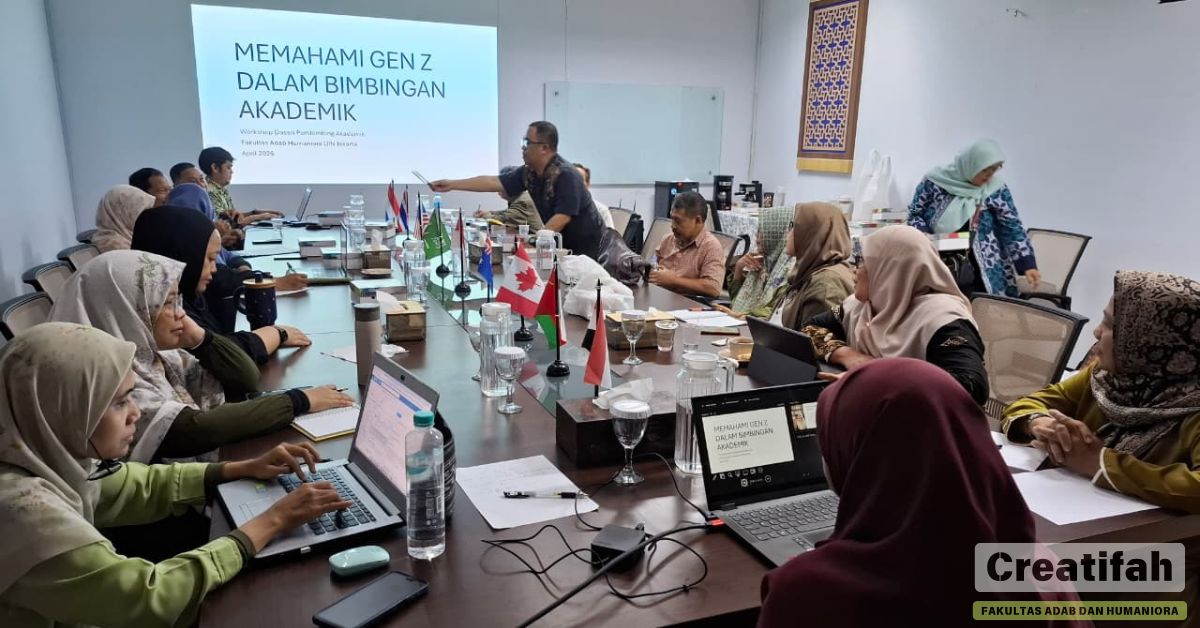
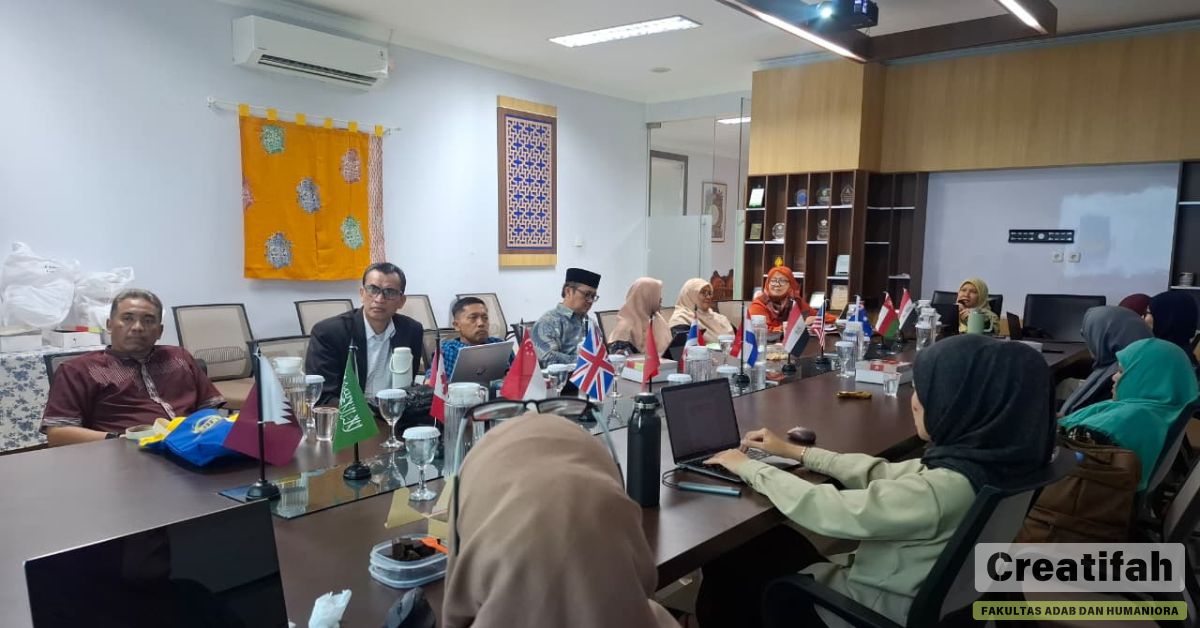
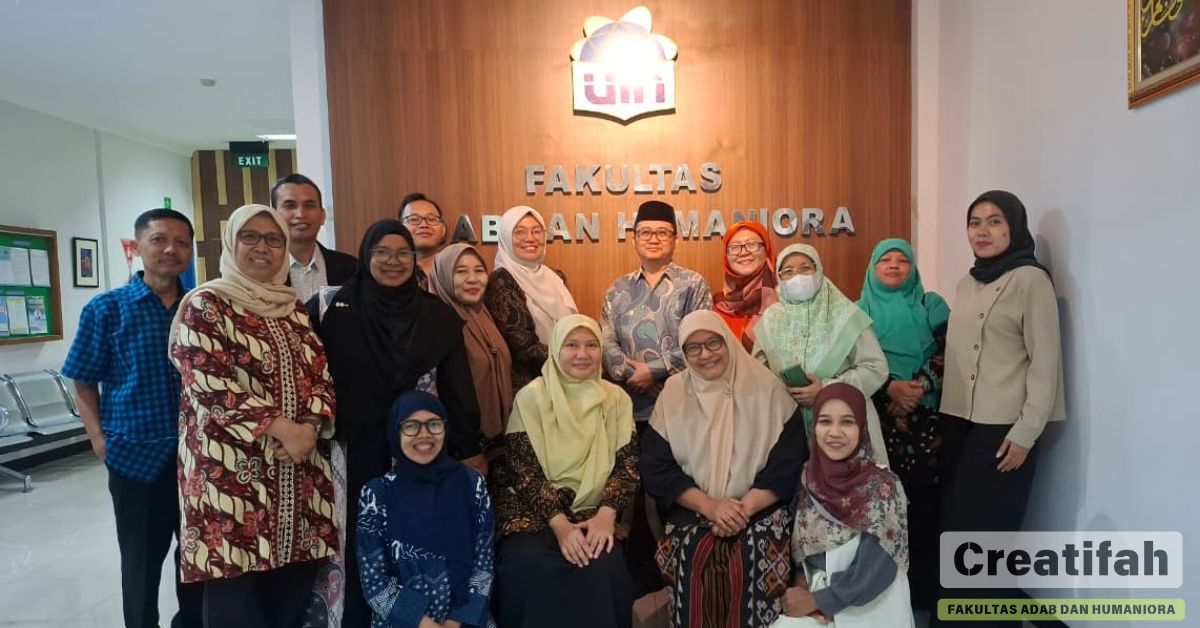
South Tangerang, FAH Online News – The Faculty of Adab and Humanities (FAH) at UIN Syarif Hidayatullah Jakarta organized an Academic Advisor Workshop themed “Understanding Generation Z in Academic Guidance.” The activity was conducted in three sessions on Wednesday, April 8, 15, and 22, 2026, held at the Dean’s Meeting Room, 2nd Floor of FAH. The workshop featured a speaker, a psychologist from the Faculty of Psychology UIN Jakarta, Dr. Ilmi Amalia, M.Psi., Psychologist, and was attended by the Dean, Vice Deans, and academic advisors from all study programs.
This workshop aims to strengthen the strategic role of academic advisors (PA) in assisting students throughout their study period, both in academic and non-academic aspects.
In his remarks, the Dean of FAH, Dr. Ade Abdul Hak, S.Ag., S.S., M.Hum., highlighted various challenges in the academic environment, particularly regarding communication between lecturers and students. He stated that there are still obstacles in the academic advising process that need immediate improvement.
“In practice, we still face various academic issues, including communication with students and the academic advising process. The most noticeable weakness is the lack of communication, which is concerning, as students have been entrusted to us by their parents to be guided and supported properly,” he said.
The Dean also emphasized that academic advisors are not merely responsible for signing the Study Plan Card (KRS), but also serve as mentors, motivators, and partners for students. This role must be carried out actively and holistically, including mentoring, monitoring, and providing solutions to various student academic problems.
On the same occasion, the Vice Dean I of FAH, Dr. Ida Farida, M.LIS., in her remarks emphasized that the quality of academic advising must become a primary concern in faculty academic policies. She stated that the advising process should not be incidental but must be systematically planned and supported by clear administrative evidence. “Academic advising is part of an integrated system, making it a shared responsibility in improving the quality of academic services,” she explained.
During the presentation session, the speaker explained that academic advisors play a strategic role in supporting student success. Their duties include planning, implementation, monitoring, and evaluation of student studies. Academic advisors are also expected to assist students in preparing realistic study plans, monitor academic progress regularly, and identify potential problems early.
In addition, academic advisors act as academic counselors who provide guidance on learning strategies, time management, and student motivation. Documentation of advising activities is also important to ensure that the process runs in a structured and measurable manner.
The discussion session was active, with various inputs from participants. Several issues raised included the low intensity of student consultations, lack of student understanding of the role of academic advisors, and the need for a more effective monitoring system.
Participants also highlighted a communication gap between lecturers and students, where students often feel that lecturers are difficult to reach, while lecturers consider students to be less proactive. Additionally, there were cases of highly active student organization members with strong academic performance experiencing decline due to fatigue, as well as final-year students delaying thesis completion due to poor planning and low motivation for consultation.
Through this workshop, it is expected that all academic advisors will have a shared understanding and commitment in carrying out their duties optimally in accordance with the applicable standard operating procedures (SOP). Thus, the quality of academic advising services within FAH can continue to improve and positively impact overall student success.
Author: Sukasih Nur / Deny Saputra
Documentation: