
FAH UIN Jakarta Discusses Strategies for Developing LPDP Double Degree Programs and the Internationalization of Academic Programs
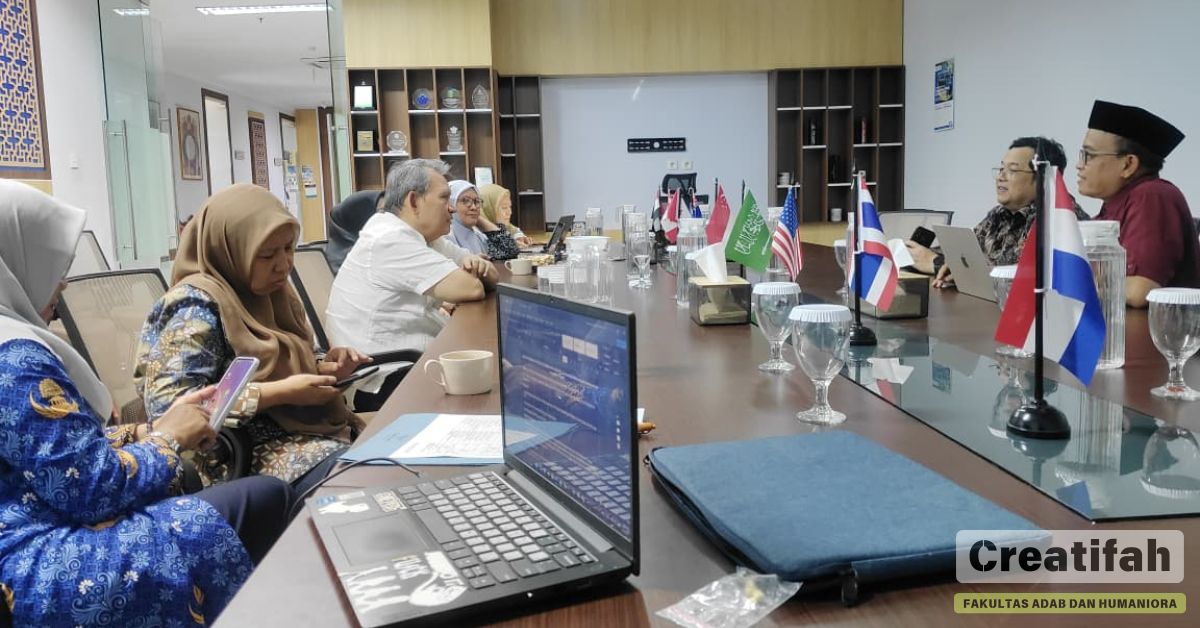
At the Faculty of Adab and Humanities (FAH), UIN Syarif Hidayatullah Jakarta held a strategic meeting to discuss the development plan for an LPDP-based Double Degree program and the internationalization of its academic programs. This meeting is part of the faculty’s efforts to strengthen global competitiveness and expand international academic opportunities for students.
In his opening remarks, the Dean of FAH, Dr. Ade Abdul Hak, emphasized several strategic directions for developing international classes within the faculty. He outlined two main approaches: adopting an established internationalization model implemented by the university or developing it gradually starting from study programs that are deemed ready. He also highlighted the importance of readiness in implementing the Double Degree program, including aspects related to faculty members, curriculum, and institutional support.
“The development of international classes at FAH must be carefully planned, whether by adopting the university’s model or through gradual development from ready study programs. In addition, readiness in implementing the Double Degree program—from lecturers and curriculum to institutional aspects—is the key to success,” he stated.
During the meeting, various strategic issues were discussed comprehensively, ranging from human resource readiness to policy and budget support. Dr. Ida Farida, Vice Dean I of FAH, emphasized the importance of a more structured student mentoring system and continuous academic quality monitoring. These measures are considered crucial to ensure that students complete their studies on time while meeting international academic standards.
Prof. Muhammad Zuhdi shared his experience in developing classes for high-achieving students. He highlighted the importance of intensive class design as a strategy to accelerate academic quality, particularly in preparing students to meet international standards. His experience serves as an important reference in designing excellence-based classes within FAH.
Providing an additional perspective, Prof. Jajat Burhanuddin, Head of the MSKI and DSPI study programs at FAH, emphasized that strengthening human resources in Double Degree and internationalization programs must be carried out comprehensively. He stressed the need for careful planning to ensure effective and sustainable implementation. He also suggested focusing on early-stage student selection through structured internal development programs to ensure that participating students possess adequate academic readiness, language proficiency, and motivation.
The meeting also identified several challenges in implementing internationalization programs. According to Dr. Ida Farida, the readiness of lecturers, students, and the international academic culture remains a significant task. Additionally, clear institutional policies and sustainable budget support are critical factors for success. Therefore, intensive coordination with the Lembaga Pengelola Dana Pendidikan (LPDP) and partner universities is necessary to obtain comprehensive technical information.
From an administrative perspective, Jejen Jaenudin, Head of the Quality Standards Development Center at UIN Jakarta, highlighted the complexity of Double Degree requirements, which demand well-prepared documentation and administrative systems. This poses a challenge that must be anticipated from the planning stage.
Furthermore, Prof. Muhammad Zuhdi emphasized the importance of replicating internationalization programs through the International Cooperation Service Center. He also reminded that faculties must actively seek and initiate partnerships with international institutions rather than waiting for initiatives from the university level.
In terms of funding, FAH proposed prioritizing budget allocation for strengthening students’ language competencies and enhancing lecturers’ capacities. This proposal is based on previous evaluations indicating that language barriers are a significant factor contributing to delays in completing international programs.
As an initial step, the meeting produced several strategic actions, including preparing program requirement documents, mapping administrative workflows for international partnerships, and identifying study programs ready to implement the initial phase. Further coordination with LPDP and relevant university units is also planned.
Overall, the Faculty of Adab and Humanities (FAH) reaffirmed its commitment to developing Double Degree programs and advancing academic internationalization. This commitment emphasizes the importance of clear institutional policy direction, adequate budget support, and active faculty involvement in building and expanding international collaboration networks. The meeting marks an important first step in shaping FAH’s strategic direction toward becoming a globally competitive institution.